
Is it Addiction or Starvation?

1. Talk Therapy or “Just say no” can’t help a genetic difference.

Talk therapy is also beneficial but can not “cure” a biological difference in metabolism.
  • Looking up the definition of the word “disease” suggests that a genetic difference affecting a body wide receptor system might fit the term “body disease.” “Disease: a disorder of structure or function in a human, animal, or plant, especially one that produces specific signs or symptoms or that affects a specific location and is not simply a direct result of physical injury.” – Oxford Dictionaries (I.1.disease)
Redefining the neurobiological underpinnings and genetic risks of the behavior we call addiction could lead to more targeted help for the sufferers of addiction rather than continuing to treat them primarily by focusing on a discussion of their difficulties with motivation or impulse control.
Binge eating disorder for some sufferers may involve a genetic difference in the endogenous cannabinoid system which leaves the person unable to produce the cannabinoids normally and so they are left hungry, starving for the foods that are better sources of cannabinoids naturally.
Chocolate is the richest standard food source that isn’t a controlled substance but it isn’t a low calorie food (hemp oil and hemp seed products are not available in a limited quantity but they are still difficult for farmers to grow in all areas and medical marijuana is still considered a controlled substance at the U.S. federal level.) Less calorie dense foods than chocolate include pomegranate seeds, dark green leafy vegetables and herbs such as oregano and other green leafy herbs. So if binge overeating sounds sadly familiar, consider making an enormous salad and it may be just what your body needs. I use a half a pomegranate worth of seeds on my salad, which is about 1/2 cup of the seeds, and 1 teaspoon each of Italian Seasoning and Basil or Tarragon or some other leafy green herb. The enormous (a full dinner plate size is what I mean) salad might also help sufferers who are trying to resist the urge to over-consume alcohol or a few other addictive substances as well, if an underlying difference is present in their genetic code.
A dinner plate with a soup spoon and regular spoon for size comparison. Salad includes romaine lettuce, cilantro, tarragon, Italian seasoning, carrot, celery, avocado, pomagranite seeds, hemp seed and pumpkin seed kernels, lime juice and hemp oil and sea salt to taste.
The discussion of foods that are good sources of phospholipids or cannabinoids is not to suggest that medical marijuana patients should stop using their medication but simply to point to some food sources that might be available to most people where ever they live. Medical marijuana has significantly more cannabinoids than the foods that I mentioned in the previous paragraph or which will be mentioned later. My own physical symptoms are better helped by use of medical marijuana than by very large salads however the large salads are less expensive and have less effect on my mood. My previous use of the psychiatric medication Olanzapine has changed my withdrawal reaction to the medication and to marijuana significantly. I still have four months supply of the medication Olanzapine and plan to never ever use it again because its physical side effects while using it are very bad and withdrawal from it are much worse, frighteningly worse.
Medical marijuana patients who have never used olanzapine are unlikely to have the negative withdrawal reaction that I now experience within a few hours of my last dose. The strain of medical marijuana or type of synthetic or natural product is also important for any user in order to have a positive mental health reaction. Pure THC or the synthetic version, Dronabinol, can cause increased anxiety. Strains that have a mixture of cannabinoids and terpenes seem to help balance the mental effects in a way that is less likely to cause increased anxiety. Real lemon and lime products that contain the oil is one example of a easily available food substance that provides terpenes which help reduce the anxiety effects of medical marijuana or the synthetic Dronabinol. Terpenes and a link about lemon is included later in this post.
The Endogenous Cannabinoid System holds answers.
Background information:
  • Endogenous refers to something that can be made internally by our body rather than a chemical that is needed to be obtained from an external source on a daily or semi-regular basis. An example such as oxygen from the air we breathe is needed within every few minutes or cellular damage can start to occur; or trace nutrients such as essential fats or fat soluble vitamins may not be needed as often because they can be stored in the fat and membranes of the body. They may only need to be consumed in the diet every few days or weeks without resulting in negative health effects. The body can store extra vitamin D during summer months that can last most of the winter but does start to run out by springtime.
A person with a metabolic difference due to genetics, chronic illness, or the standard changes associated with aging may need an external source of nutrients that other people of average health would be able to make internally – “endogenously.”
  • Cannabinoids are a type of chemical called phospholipids which are formed from a lipid, a type of fat, and the mineral phosphorus.
I have a genetic difference in my ability to phosphorylate (I.2.wikigenes.BHMT) so that I am unable to make phospholiids endogenously and I have found that having an external source of cannabinoids in my diet every day helps my chronic illness conditions and improves my muscle and nerve control. I am registered as a Medical Marijuana patient in a state where it has been legalized for medical use.
     Some of my symptoms that are relieved by the herbal medicine have been troubling me since I was an infant. I had severe eczema throughout my childhood and severe congestion. Rarely could I breathe through both nostrils and nosebleeds were also common. The enzyme the BHMT gene produces when functioning incorrectly is associated with a risk for vascular problems – ie nosebleeds or easy bruising or spider veins or all of them.
     The protein that the gene normally produces is necessary in Glycerophospholipid biosynthesis, metabolism , and Phospholipid metabolism, (so a double mutation in this gene may make it difficult for me to make phospholipids endogenously), among 17 pathways in all – that is an important enzyme: (I.6.genecards.BHMT) And the CDK-mediated phosphorylation and removal of Cdc6 SuperPath involves 97 other pathways which include a Calcium2+ pathway and a Parkinsons Disease pathway and creatine metabolism (important for muscles) and synthesis of DNA and many other metabolic paths/chains of chemical events : (I.7.genecards.phosphorylation)
Phospholipids are found in human breast milk and helps stimulate the infant’s appetite and helps support adequate weight gain. The cannabinoids and phospholipid group perform two main functions – they are flexible and form a significant part of membrane walls, like building blocks or bricks; they can also be released from the membrane and act as messenger chemicals that can activate other systems or be modified slightly to become a different type of messenger chemical called eicosanoids.
  • Eicosanoids include the leukotrienes: Santa Cruz Biotechnology,(I.8.scbt.com)
Phospholipids are a combination of a lipid with the mineral phosphorus. They are important for helping make flexible membranes and play a role in immune health and energy metabolism. Phosphorus is also part of molecules used in energy production (ADP & ATP) and genetic structure, DNA and RNA (nucleotides) when combined with proteins or sugars.
  • Food Sources of Phospholipids and other phospho-nutrients: Hemp seed kernels and oil; Artemisia turanica/wormwood leaf; amaranth seed; asparagus; avocado fruit or the inner kernel, dried and powdered; beans/legumes; cardamom seeds and powder; carrots; celery stalks and leaves; cocoa beans and cocoa powder, baker’s chocolate, dark chocolate and to a lesser amount milk chocolate and chocolate syrup; coconut; cumin seed/powder; fennel seed, flax seed, pine nuts; sesame seeds, pumpkin seed kernels, squash seeds; butternut squash and pumpkin; gingko leaf; grapefruit and orange juice with the pulp; Jerusalem artichoke (this is a root vegetable rather than a green artichoke); lettuce, spinach and mustard leaves and other leafy green vegetables and herbs; nuts/peanuts, cashews, walnuts; oats; okra seeds; onion root, leek leaves, garlic;  parsnip root; pomegranate seeds and pomegranate peel extract;rice, white or brown but the bran is the best source; rosemary; sorghum;  sweet potato or yam; buckwheat (a seed botanically that is not wheat and is gluten free); wheat. (G.26)

2. It might be motivating to learn of an underlying cause to cravings.

It might help a person to learn that for a person with a genetic difference, difficulties with motivation or impulse control are likely due to an underlying deficiency of a substance they are missing, which would likely have helped them have better impulse control and to not have cravings for substances.
Someone without the genetic difference would be making the substances internally which would help them have good impulse control and not crave substances.
     Helping the person with substance abuse problems to find approved external sources of the substance (cannabinoids) seems like it would be more helpful and potentially more motivating for them to be able to view themselves as a worthwhile person with special dietary needs rather than as an unmotivated drug addict who just doesn’t try hard enough to change.
     Substance abusers likely quit using and relapsed again more times than anyone cares to count. every single time a chronic user runs out of their substance of choice they are “quitting” until they get more.
     Do you blame a hungry person for eating breakfast in the morning? Should a person just “quit eating” if they have an overeating disorder? Answer: No.
    • Cannabinoids might help some types of eating disorders and some types of drug or alcohol addictions by providing an essential nutrient that the person might not be able to make.
  • If the body can’t make an important substance or convert substances into active forms then it becomes an essential nutrient – essential for that specific person’s daily diet.

3. Genetics of the cannabinoid system and binge eating disorder, alcohol abuse and drug addiction.

“It is important to note that, as with alcohol, marijuana, and heroin, a human genetic variant of the cannabinoid CB1 receptor gene CNR1 has been associated with susceptibility to cocaine and amphetamine dependence (Ballon et al. 2006, Comings et al. 1997; Zhang et al. 2004).
  • Behavioral Neurobiology of the Endocannabinoid System; Ch.13: Drug Addiction, (page 334, I.9.Searchworks)
Endocannabinoids: The Brain and Body’s Marijuana and Beyond is a reference textbook available online as a pdf. (I.10.Endo.pdf)  It includes information regarding the genetic differences known to be associated with binge eating disorder and other drug addictions affected by rimonabant, a chemical which inhibits the endogenous cannabinoid system. Use of rimonabant affected craving for food/sucrose and alcohol in animal research, and it was found to reduce rewarding effects of morphine/opioids, amphetamine, cocaine and diazepam in other studies.
  • Rimonabant is not in use for drug addictions because it is associated with a significantly increased risk for suicide. This is an important point to note – blocking the endogenous cannabinoid system is associated with a significant risk for suicide.
The problem with addiction to some substances or to eating excess food for some cases of over eating disorders is an underlying inability to make the cannabinoids but a remaining need for them and a hunger, an urge for “something,” something that is unknown however. And what people choose to consume in order to try to quench that unknown hunger varies from food and alcohol, to the rest of the drugs that are commonly abused.
     Dietary sources are needed instead. However our food supply has limited sources. Vine ripened produce or lemon oil, rich in aroma, are examples of a food containing cannabinoids or a similar group of aromatic and medicinal phytochemicals called terpenes. Chocolate and the herb rosemary are two other food sources. The spices cardamom, cloves, and nutmeg are also sources. Non-euphoric cannabinoids also exist and may have medicinal benefits depending on the patient’s condition. Copaiba oil is a food grade essential oil that can have non-euphoric cannabinoid content with medicinal benefits.
     Wouldn’t it be nicer to tell starving people that they are starving rather than that they are poorly motivated?
    • For more information regarding binge eating disorder, drug addiction and rimonabant: See Ch.3: Endocannabinoid Receptor Genetics and Marijuana Use, (p72-73 & 91, I.10.Endo.pdf) and Ch.13: Behavioral Effects of Endocannabinoids, mentions that research with rimonabant has helped show excessive alcohol drinking behavior and development of alcoholism may be related to genetic differences in the CB1 receptors. (p319, I.10.Endo.pdf)
    • Impulse control deficits may involve the cannabinoid system: See Ch.13: Behavioral Effects of Endocannabinoids, (pp325-330, I.10.Endocannabinoids.Full Text.pdf).
  • Schizophrenia may be related to a deficiency in the cannabinoid receptors themselves rather than being due to a deficiency in cannabinoids: See Ch.15, Neuropsychiatry: Schizophrenia, Depression, and Anxiety,; of the book Endocannabinoids: The Brain and Body’s Marijuana and Beyond: (p378, I.10.Endocannabinoids.Full Text.pdf)
More recently a gene has been identified in binge eating disorder, the gene for the cytoplasmic FMR1-interacting protein 2 (CYFIP2). (I.11.sciencedaily) The gene has a number of known variations and has allso been associated with Fragile X, an autism like condition, ADHD, autism, obsessive-compulsive behavior, and Prader-Willi Syndrome.. (I.12.ncbi.FragileX)
     The enzyme the gene CYFIP2 produces when functioning normally is involved in many metabolic pathways in the body including one that plays a role in myelination of nerve cells and one in phospholipid metabolism. (I.13.reuters) (I.14.genecards.CYFIP2)
     So an external source of cannabinoids might help a person with a problem in their CYFIP2 gene to have normal appetite control and also to protect their nerves from multiple sclerosis – which causes degeneration of myelin.  Myelin is similar to the lipid part of some of the phospholipids of the endogenous cannabinoid system. Multiple sclerosis has been associated with social anxiety and eating disorders (I.15.omicsgroup) which are also conditions associated with gene differences in the cannabinoid system. Myelin is made with sphingomyelin which is made of sphingolipids. (I.16.sphingolipids) Easy right? (I.17.mpcfaculty.lipids) Even easier – coconut oil is about 50% phospholipids and is a good source of sphingolipids. (I.18.coconut)
     I don’t know if I have any differences in my CYFIP2 gene; it was not one of the 30 genes that were included in the Nutrigenomic Screening I had done for my personal use for the “purposes of research.” Genetic screening is only used for certain conditions in standard health care currently and some types of health care claims can not be made by practitioners about genetic screening for other conditions – no guarantees in life or lab tests. The screening I had was designed to test genes commonly found to have differences associated with autism. (I.33.Nutrigenomic Screening) (p22, I.34.example of the genetic screening I had)
     I have a genetic difference in my ability to phosphorylate (I.2.wikigenes.BHMT) The gene I have a double malfunction in, BHMT, is also associated with multiple sclerosis except it seems to be with an over activity rather than too little function. Methionine and homocysteine metabolism and vitamin B12 may be involved. (I.19.BMHT.MS) Hypothyroidism may be associated with over expression of this gene: (I.20.wikigenes)
     The enzyme BHMT/1 (Call – T), Betaine-homocysteine methyltransferase (BHMT), in normal health helps produce the amino acids methionine and Dimethylglycine (DMG).
     DMG has been found helpful in ADHD, autism, allergies, alcoholism drug addiction, and chronic fatigue syndrome among other chronic issues. Methionine has been found helpful in treating depression, allergies, alcoholism and schizophrenia among other chronic issues. Since learning of the difference in my genetics I have been taking the two amino acids in a powder form that I add to a glass of water. It doesn’t taste good but it leaves me feeling more energetic and with a more positive mood.
     What it tasted most like was a tart red wine and the nutrient content of red wine does contain free amino acids, so someone with a problem with the BHMT gene may have problems with unidentified cravings that wine seem to help. While I did love red wine, it didn’t love me. It was one of the first triggers for severe migraines that I identified and started avoiding. A painkiller did help with migraine pain somewhat but zero time spent with a migraine is my goal.
     I found based on the information that is available regarding dose, that a half teaspoon of each of the amino acid powders helped my mood without causing such an energy boost that it caused an increased heart rate or prevented me from going to sleep. I tried one teaspoon of each initially and found that it was too much of an energy boost. Both amino acids can act as activating chemicals within the brain.
     I have early symptoms of neuropathy, I would rather prevent multiple sclerosis than to learn more about it first hand. Taking the supplemental methionine may be helping my body do what it needs to do to prevent an autoimmune breakdown of my myelin.

4. Sometimes people are wrong – Nixon was wrong.

If the good people, in their wisdom, shall see fit to keep me in the background, I have been too familiar with disappointments to be very much chagrined.” – Abraham Lincoln (1809-1894), (p 634, I.23)
Hemp fiber was essential for rope and strong fabric. Thomas Jefferson grew hemp and is said to have smoked it too. It is time to stop being disappointed in loved ones who are likely suffering from a metabolic deficiency that leaves them susceptible to substance abuse or overeating and instead start accepting that they have needs that a person of average health doesn’t have or may not have to the same extent. Many nutrients are needed in a just right amount, not too little or too much.
     Cannabinoids are powerful and can be consumed in excess however it does not have the toxicity and deadliness of many other substances that are abused, including alcohol.
     The American Medical Association has recommended that marijuana be rescheduled as an herb with medicinal benefits. (I.24.AMA resolution) (I.25.veteransformedicalmarijuana)
     Rescheduling marijuana as a medicinal plant would free academic researchers to study its medicinal benefits. As a “Scheduled Substance” currently research studies are only supposed to assess toxicity and rehabilitation areas rather than design experiments assessing the medicinal value. Currently the synthetic form of the main euphoric cannabinoid, THC, is listed at a “safer” level of risk than the marijuana plant itself.
     The synthetic forms can be even more dangerous as they are more concentrated and are in isolation rather than also providing the non-euphoric cannabinoids that are found in most strains of marijuana and which have calming effects. Synthetic THC or THC in excess can cause paranoia and other mood symptoms that would have been unknown to Thomas Jefferson when he enjoyed smoking marijuana that was milder in the amount of THC it likely contained and more likely to be balanced with non-euphoric cannabinoids.
     The problem with black market development of a product is that it is often being designed to maximize the “buzz” or “euphoria” rather than the medicinal or pain killing effects. However, there is not that much “euphoria” felt by the person with chronic illness who is using a larger quantity of marijuana everyday due to an underlying inability to make cannabinoids because a tolerance is built up and they simply need some of the herb or other concentrated sources of cannabinoids every day just to maintain a state of health and function that is a little closer to everyone else’s “normal function“.    

     The person with a chronic need wants an herbal medicine that has a balanced variety of cannabinoids that treats a variety of symptoms, not just the euphoria inducing THC that can lead to overdose symptoms of a racing heart, feeling very chilled, and paranoia or anger combined with extra energy, so manic behavior might be a risk with an overdose reaction. Real lime or lemon juice products that are concentrated rather than being a watery lemonade may help counteract some of the mood changes associated with an overdose of THC. More on lemon oil is included in the next section. 

5. Medical Marijuana helps reduce opioid use, which can save lives.

     We currently have an epidemic of deaths due to opioid medications, prescription and black market drugs. The increase in deaths is due in part to the over prescription of opioid painkillers by the medical community but it is also due to black market substitutes that have been introduced in recent years. One type is particularly potent and is being sold as something else so consumers wouldn’t even know that they were being given a stronger version of an opioid medication than the prescription medication they were told they were purchasing on the black market – key point – don’t buy drugs on the black market because you don’t know what they might contain.
     This likely seems an obvious point which, honestly, even the drug addict knows that but their need is great enough during withdrawal that they may be more likely to take risks.
     Women may be especially at risk for opioid addiction whether it is due to differences in size or physiology is unknown. Addiction to opioids seems to occur for women at lower doses of the medication that were taken for a shorter amount of time than for men who become addicted. Women may be more susceptible to the cravings for the drug. (I.27.jotopr)
     In states with medicinal marijuana sales of painkillers dropped,which would include the opioids. Physicians are not comfortable with the inability to “prescribe” a set dose. “Take two hits and call me in the morning?” was asked in jest or in seriousness by a psychiatry professor, Deepak D’Souza, who also has researched marijuana. (I.28.npr)
     Deaths due to overdoses of opioids have also decreased in those states. (I.29.nbcnews) The cannabinoid and opioid receptor systems may both be involved in the regulation of appetite. Levels of the hormone leptin may be increased in response to CB1 receptors in the hypothalamus. Leptin and other appetite hormones may then “control opioid-regulated feeding…(Verty et al., 2003).” See Ch.13: Behavioral Effects of Endocannabinoids, (p313, I.10.Endocannabinoids.Full Text.pdf).
     Since marijuana use seems to be saving lives and has low toxicity risks, it doesn’t seem like how big a dose is as big a question as how to get a safe reliable supply to more patients in pain. The answer does exist but it is one a physician or psychiatrist is unlikely to like – the dose varies based on the person’s genetics and metabolism, the supply of nutrients available, tolerance, etc.; the answer is “It depends.” But the medication is so safe that worries about “too much” are really unnecessary, except possibly for more concentrated synthetic sources or extracted cannabinoid oil products.
     Signs of “too much” THC or synthetic THC can include a racing heartbeat, which very, very rarely has caused a couple/very few deaths. To the user first experiencing the racing heartbeat of excess THC, it may be frightening and feel like a panic attack. Relax it slows down again and only people with a pre-existing heart condition may be at risk during the time that the heart-rate is rapid.
     So if you have a weak heart – avoid excessive amounts of THC. The rapid heart-rate doesn’t occur at low doses. It may be accompanied a feeling of being chilled, and suddenly needing a jacket. Anxiety or anger may occur with excess THC or synthetic THC or during withdrawal from an excessive amount.
     The aromatic terpenes in citrus oil can have a calming effect if anxiety is a problem after consuming marijuana. Pinene from pistachio nuts may also be helpful, but a glass of lemonade might help the mood more quickly than eating pistachios because they would take longer to digest. (I.26.fastcompany)
     Artificial lemon flavored products wouldn’t help, only real lemon or lime juice products would help calm a mood unsettled by an excess or imbalance of THC. The plant contains many active phytochemicals which can include terpenes and other cannabinoids that are calming to the mood rather than causing euphoria. THC is the only cannabinoid in marijuana that causes euphoria.
     Opioid medications also cause euphoria – so why is one more socially acceptable than the other? Smoking is dirty and smelly and – the easiest way to not overdose.
     Eating products or the concentrated synthetic dose in one single sitting can leave a person feeling symptoms of overdose about one hour later, far too late to stop at half a serving or a small taste to see how you might handle that particular product and/or the strain that was used in it. Different strains of the plant can cause very different symptoms and help different types of symptoms, so the question of “how much” is less significant than which strain to use and the method to use to consume it.
     Smoking provides fairly instant changes to the mood so it is easy to tell if you’re getting more anxious or developing a rapid heart rate. Strains of marijuana can vary a lot, some types may cause the anxiety symptoms, while others would just cause the stereotypical “couchlock” – falling asleep. While setting fire to the couch might be a very real risk, otherwise, no danger other than possibly drooling a little and looking stupid. Looking stupid is better than looking dead from an opioid overdose – in my opinion – and I am a medical marijuana patient who has experienced these symptoms and read research about safe use.

6. Resources for help or just someone to talk to:

    • National Helpline: Substance Abuse and Mental Health Services Administration: “SAMHSA’s National Helpline, 1-800-662-HELP (4357), (also known as the Treatment Referral Routing Service), is a free, confidential, 24/7, 365-day-a-year treatment referral and information service (in English and Spanish) for individuals and families facing mental and/or substance use disorders.” (1.30samhsa.org)
    • Rape, Abuse and Incest National Network, RAINN Hotline: 1-800-656-HOPE, (1.31RAINN.)

Help is only helpful when you accept it. Recognizing that you need it is the first step.

Disclaimer: Opinions are my own and the information is provided for educational purposes within the guidelines of fair use. While I am a Registered Dietitian this information is not intended to provide individual health guidance. Please see a health professional for individual health care purposes.

Links and References:

(I’ll finish this list later, I’ve learned a lazy editing tactic is to skip the footnote numbers until the final draft is complete.)

  1. Disease,” Oxford Dictionaries (I.1.disease)
  2. BHMT,” wikigenes.org, http://www.wikigenes.org/e/gene/e/635.html (I.wikigenes.BHMT)
  3. Glycerophospholipid biosynthesis,
  4. metabolism ,
  5. Phospholipid metabolism,
  6. (I.6.genecards.BHMT) [http://www.genecards.org/cgi-bin/carddisp.pl?gene=BHMT] (I.6.genecards.BHMT)
  7. (I.7.genecards.phosphorylation) [http://pathcards.genecards.org/card/cdk-mediated_phosphorylation_and_removal_of_cdc6] (I.genecards.phosphorylation)
  8. Leukotriene,” (I.8.scbt.com)
  9. Behavioral Neurobiology of the Endocannabinoid System; Ch.13: Drug Addiction, (page 334, I.9.Searchworks)  Behavioral Neurobiology of the Endocannabinoid System, Editors David Kendall and Stephen Alexander (Springer, 2009, Nottingham, U.K.). (I.Searchworks)
  10. Endocannabinoids: The Brain and Body’s Marijuana and Beyond, (CRC Press, 2006, Boca Raton, FL), Chapter Three, Endocannabinoid Receptor Genetics and Marijuana Use, editor and chapter by Emmanuel S. Onaivi, et al., (pages 72-73, 91, and 333), Chapter 15, Neuropsychiatry: Schizophrenia, Depression, and Anxiety, chapter by Ester Fride and Ethan Russo, (page 378), (I.10.Endocannabinoids: FullText pdf)
  11. (I.11.sciencedaily) Genetic risk factor for binge eating discovered. Sciencedaily.com, Oct. 26, 2016,  https://www.sciencedaily.com/releases/2016/10/161026170543.htm (I.sciencedaily)
  12. (I.12.ncbi.FragileX) Sabiha Abekhoukh and Barbara Bardoni, CYFIP family proteins between autism and intellectual disability: links with Fragile X syndrome, Front Cell Neurosci. 2014; 8: 81., ncbi.nlm.nih.gov https://www.ncbi.nlm.nih.gov/pmc/articles/PMC3973919/ (I.ncbi.FragileX)
  13. (I.13.reuters) Pathway Maps: G-protein signaling_RAC1 in cellular process, Life Sciences Research, thomsonreuters.com, http://lsresearch.thomsonreuters.com/maps/383 (I.reuters)
  14. (I.14.genecards.CYFIP2) CYFIP2, genecards.org,  http://www.genecards.org/cgi-bin/carddisp.pl?gene=CYFIP2 (I.genecards.CYFIP2)
  15. (I.15.omicsgroup) Shahla Mohamadirizi1*, Vahid Shaygannejad2, Soheila Mohamadirizi3 and Marjan Mohamadirizi4, Eating disorders in a multiple sclerosis clinical population and its association with social anxiety.   https://www.omicsgroup.org/journals/eating-disorders-in-a-multiple-sclerosis-clinical-population-and-its-associationwith-social-anxiety-2376-0389-1000183.php?aid=82623 (I.omicsgroup)
  16. (I.16.sphingolipids)
  17. (I17..mpcfaculty.lipids)
  18. (I.18.coconut) Handbook of Plant-Based Fermented Food and Beverage Technology, Second Edition, edited by Y. H. Hui, E. Özgül Evranuz  CRC Press, May 17, 2012, https://books.google.com/books?id=5fvRBQAAQBAJ&pg=PA669&lpg=PA669&dq=sphingolipids+in+coconut&source=bl&ots=QlgC46XLn8&sig=Y5AiDM4oUTBp9BS3aOKCtWK0Fbk&hl=en&sa=X&ved=0ahUKEwiQuL-wmdbVAhUG7CYKHXZCCxsQ6AEILjAB#v=onepage&q=sphingolipids%20in%20coconut&f=false
  19. (I.19.BMHT.MS) Naveen Kumar Singhal, et al., Changes in Methionine Metabolism and Histone H3 Trimethylation Are Linked to Mitochondrial Defects in Multiple Sclerosis. J of Neuroscience Vol 35, Issue 45, 2015 PAGES: 15170-15186 ISSN: 0270-6474 https://www.researchgate.net/profile/Rohan_Dassanayake2/publication/283710653_Changes_in_Methionine_Metabolism_and_Histone_H3_Trimethylation_Are_Linked_to_Mitochondrial_Defects_in_Multiple_Sclerosis/links/5693c64508aeab58a9a2aaf3.pdf (I.BMHT.MS)
  20. (I.20.wikigenes)
  21. ( methionine )
  22. ( Dimethylglycine (DMG).
  23. John Bartlett, Familiar Quotations, 14th Ed., 1910, (p 634, I.23)
  24. (I.24.AMA resolution) American Medical Association Medical Student Section, Resolution 2, JUne 8, 2008, http://www.oregon.gov/pharmacy/Imports/Marijuana/Public/AMA_MedStudentSectionResolution.pdf (I.AMA resolution)
  25. (I.25.veteransformedicalmarijuana) AMA Votes to Reschedule Medical Marijuana, VMCA, http://www.veteransformedicalmarijuana.org/node/67 (I.veteransformedicalmarijuana)
  26. (I.26.fastcompany) Chris Dannen, Three Beginner Mistakes to Avoid When Eating Cannabis, fastcompany.com Sept. 10, 2014, https://www.fastcompany.com/3035175/three-beginner-mistakes-to-avoid-when-eating-cannabis (I.fastcompany)
  27. (I.27.jotopr) Karen Barth, New Study Shows Women are Hit the Hardest as Opioid Epidemic Sweeps the Country. Jotopr.com, Feb. 27, 2017, https://jotopr.com/new-study-shows-women-are-hit-hardest-as-opioid-epidemic-sweeps-the-country/?utm_source=ReviveOldPost&utm_medium=social&utm_campaign=ReviveOldPost (I.jotopr)
  28. (I.28.npr) Shefali Luthra, After Medical Marijuana Legalized, Medicare Prescriptions Drop for Many Drugs. npr.org, July 6, 2016, http://www.npr.org/sections/health-shots/2016/07/06/484977159/after-medical-marijuana-legalized-medicare-prescriptions-drop-for-many-drugs (I.npr)
  29. Reuters, Legalized Marijuana Could Help Curb the Opioid Epidemic, Study Finds. March 27, 2017,nbcnews.com,  http://www.nbcnews.com/health/health-news/legalized-marijuana-could-help-curb-opioid-epidemic-study-finds-n739301 (I.29.nbcnews)
  30. National Helpline: Substance Abuse and Mental Health Services Administration: 1-800-662-HELP (4357), (1.30samhsa.org)
  31. Rape, Abuse and Incest National Network, RAINN Hotline: 1-800-656-HOPE, (1.31RAINN.)
  32. U.S. National Suicide Prevention Hotline:  1-800-273-8255, (1.32.suicidepreventionlifeline.org)
  33. Amy Yasko, Nutrigenomic Testing, Holistic Health International, http://www.holisticheal.com/health-tests/nutrigenomic-testing (I.33.Nutrigenomic Screening)
  34. Amy Yasko, Methylation Analysis Pathway: John Doe, Neurological Research Institute, http://www.holisticheal.com/media/wysiwyg/John_Doe_MPA_05.19.17.pdf (p22, I.34.example of the genetic screening I had)
Actually we do know quite a bit about ALS

Rest in Peace, and condolences for families and friends of patients who died due to Amyotrophic Lateral Sclerosis (ALS).

This post was a follow up to: Amyotrophic Lateral Sclerosis (ALS) and CBD Receptors. transcendingsquare.com/2014/08/23/.

The Life Extension Foundation is a non-profit organization focused on research into preventative health strategies. The company does sell supplements, books, and a few other products but it also helps fund research in preventative health care. The foundation publishes an academic type journal and an article from the journal is available on their website which provides a review of the current theories and research available regarding Amyotrophic Lateral Sclerosis (ALS). [1]

The article ends with a quote or two about the limited effectiveness and negative side effects associated with the medication that is currently prescribed for ALS patients. The sad point is that at least then the doctor can feel like they provided a service by writing a prescription but if it doesn’t really help slow progress of the disease and adds negative side effects then is that prescribing doctor really “Doing no harm.“?

The article doesn’t provide vitamin or supplement recommendations or provide other preventative guidance. It is a review of current research which did provide enough information to suggest to me several strategies that might help me reduce my risk of developing ALS. I’m motivated because I fall into one of the ‘you may be at more risk for ALS if you also have this condition’ categories.

Studies suggest that ALS is more associated with some autoimmune and chronic infectious diseases and with some nutrient deficiencies or imbalances and with exposure to some environmental toxins.

A few points gleaned from the article that might help me reduce my risk of developing ALS:

  1. Avoid mercury, lead, aluminum, manganese and other heavy metal toxins.
  2. Be careful if working with herbicides and pesticides to reduce exposure.
  3. Have adequate intake of calcium and magnesium – in balance. Excess calcium and too little magnesium may increase degenerative calcification of the central nervous system.
  4. Avoid excess intake of free glutamates. There are many sources of free glutamates in the diet as they are used as flavoring agents. MSG is one better known example. *The article doesn’t recommend avoiding glutamates, it mentions that ALS is associated with glutamate toxicity. One study found plasma levels of glutamate to be significantly elevated in ALS patients compared to controls (Plaitakis et al, 1993). One theory suggests that there may be a glutamate transport problem that allows the elevated levels to accumulate. [1] *Having adequate zinc and magnesium levels helps the cells control intracellular glutamate levels. [3], magnesium also helps control transmembrane movement of the other electrolytes: calcium, sodium and potassium. [4]
    ALS is highly linked with glutamate. One proposed mechanism is a defective glutamate transport system that permits neurotoxic levels to build up (Onion 1998). A study showed significant elevations (by about 70%) of plasma levels of glutamate in ALS patients as compared to controls (Plaitakis et al. 1993). – See more at: http://www.lifeextensionvitamins.com/amlatscleral.html#sthash.ErWUopES.d
    ALS is highly linked with glutamate. One proposed mechanism is a defective glutamate transport system that permits neurotoxic levels to build up (Onion 1998). A study showed significant elevations (by about 70%) of plasma levels of glutamate in ALS patients as compared to controls (Plaitakis et al. 1993). – See more at: http://www.lifeextensionvitamins.com/amlatscleral.html#sthash.ErWUopES.dpuf
  5. Have adequate but not excessive intake of selenium as it helps the body remove mercury. Two Brazil nuts per day provide about 200 micrograms of selenium which is the recommended daily goal. Excess selenium can cause toxicity symptoms so be careful not to take supplemental one-a-day or other mixtures that contain selenium in addition to taking selenium as an individual supplement or in addition to eating Brazil nuts regularly. Toxicity wouldn’t occur in a few days but might develop if multiple sources were eaten over a longer time period.
  6. Growth factor deficiency may be involved in development of ALS. Touch is important for stimulating human growth factor. Therapy pets and massage may also help stimulate internal production of human growth factor. *The article doesn’t mention the therapeutic benefits of touch. It only mentions that reduced growth factors are an underlying problem associated with ALS and pharmaceutical sources have been found helpful for slowing progress of the disease in some (but not all) studies. However touch can also help stimulate innate production of growth factors without needing a pharmaceutical company. [2]
  7. Spinal compression may increase risks of a similar nerve degeneration problem that can resemble ALS so /speculative/ regular exercise such as swimming might help or regular use of an inversion board at a gentle 10 degree slope might help relieve spinal pressure. /Disclosure, I do use an inversion board and find it helpful for headache and back problems but they can be dangerous so please seek individual guidance regarding their use./
  8. Some infections with long term chronic phases are associated with ALS type symptoms including Lyme’s disease, poliomyelitis, HIV/AIDs, and tertiary syphilis.
  9. Some endocrine and autoimmune diseases such as the hyperthyroid condition Grave’s disease and  Diabetic Amyotrophy are associated with ALS risk. Maintaining lower thyroid levels and avoiding thyrotoxicosis may help reduce risk of developing ALS.
  10. Some other conditions associated with ALS like problems include the neurological diseases: Pick’s Disease and Kennedy’s Syndrome; and the genetic enzyme disorders: Superoxide Dismutase, Hexosaminidase A, and Alpha-Glucosidase.
  11. If you missed the previous post – adequate cannabinoids/phospholipids are an important factor in protecting against ALS. A list of legal food sources of cannabinoids or phospholipids is included, see: Amyotrophic Lateral Sclerosis (ALS) and CBD Receptors. transcendingsquare.com/2014/08/23/.
  1. Lyme disease and poliomyelitis
Amyotrophic Lateral Sclerosis
Amyotrophic Lateral Scleros

/Disclaimer: This information is provided for educational purposes and is not intended to provide individual health guidance. Please see an health professional for individual health care purposes./

Wardrobe extenders may help health

Wearing undergarments like bras that fit too tightly or for most of the day and night may increase risk of breast cancer and can increase pain from fibrocystic breast disease. Bra extenders are very inexpensive solutions to tight garment bands and are available in different sizes and colors. Band extenders that add one to three inches can be purchased for a few dollars. The search term ‘bra extenders’ will provide many examples of the product.

Research has not been performed regarding their use against breast cancer but a better fitting bra may reduce pain associated with fibrocystic disease. Women who did not wear bras regularly had half the rate of breast cancer compared to other women in a study published in 1991. The focus of that study had been on a different topic than clothing habits [1]. A 1991-1993 Bra and Breast Cancer Study found a similar correlation [2]. Mainstream sources do not list the amount of time that bras are worn as a cause of cancer [3].  Further research to substantiate or disprove the correlation from the 1991 studies is needed.

However too tight garment bands can be painful and they may reduce detoxification of blood by the lymphatic system. Lymphatic fluid helps remove toxins from the body at the lymph nodes. The lymphatic system has a series of vessels that are similar to arteries and veins. The lymph fluid interacts most directly with blood flow at the lymph nodes. Blood is pumped through the arteries and veins by the power of the heart.  Only the activity of the surrounding muscles moves lymphatic fluid. Regular movement during exercise or an active lifestyle may help health by increasing the removal of toxins at the lymph nodes. White blood cells that can fight infection and cancer are also active at lymph nodes.

The tightness or over-tightness of the band is likely to be the main issue, but how far the underwire extends under the arm could also affect fluid movement. Lymphatic flow moves sideways towards the underarm area more than downward. [4]

Excess heat of the constricted tissue may also be a concern. [5 and 6]

A study and television documentary, “Bras – Bare Facts,” (2000) found not wearing a bra to greatly reduce fibrocystic breast pain on average for a group of 100 women. – partial transcript on a site with a few anatomical pictures: [6] Excerpt from the documentary about fibrocystic pain:

“It may be that the bra is producing a heating effect on the breast resulting in the breast secreting more fluid. At the moment we don’t know, but it is possible that a cooler is a healthier breast from the point of view of producing less fluid, producing less cysts and producing less pain.” [6]

Iodine deficiency has also been associated with fibrocystic breast disease so complete elimination of bras is probably not necessary. [7] Adequate iodine and selenium intake early in life and elimination of excess bromide might help though.

Men may need to check the fit of their clothing for a different reason. Wearing tight jeans for many hours may reduce male fertility. Increased body temperature seems to be the issue rather than reduced lymphatic flow. A laptop used directly on the male lap has also been associated with reduced male fertility. [9] Carrying a cell phone in a pants pocket for hours may also be a concern to fertility due to the radiofrequency electromagnetic waves [8]

This article is based on a shorter comment and reply that was previously posted elsewhere.

/Disclaimer: Information presented on this site is not intended as a substitute for medical care and should not be considered as a substitute for medical advice, diagnosis or treatment by your physician./

  1. Hsieh CC, Trichopoulos D.,  “Breast size, handedness and breast cancer risk.” Eur J Cancer. 1991;27(2):131-5. [ncbi.nlm.nih.gov]
  2. Singer S.R., Grismaijer S., “Bras Still Cause Breast Cancer: Are Your Patients Dressed To Kill?” ANMA Journal pdf [isisboston.com]
  3. Stephan P., “Bras Cause Breast Cancer: Myth or Fact?” (3/17/2010), about.com [breastcancer.about.com]
  4. Mitchell A., “Tight Bra Syndrome; Or, why you might want to skip the  underwire and take your bra off when you get home.” pdf [ameliamitchell.com]
  5. Kumar A., “Burn the bra! (and men’s tight underpants too): compromised ‘chaotic’ cooling by constrictive clothing in the causation of testicular and breast cancers. Med Hypotheses. 2009 Dec;73(6):1079-80. Epub 2009 Oct 14. [link to a Medical Hypothesis article, no abstract available.]
  6. The British study on bra wearing and breast pain.” -includes a partial transcript of the “Bras – Bare Facts” documentary (2000) [007b.com]
  7. Jones A., “Fibrocystic Breast Disease.” Women’s Health Institute of Texas [1-thyroid.com]
  8. Mann D., “Cell Phone Use Linked to Male Infertility.” (9/19/2008) webmd.com [webmd.com]
  9. Sinha K., “Tight jeans reduce fertility,” Times of India, (April 12, 2007) [articles.timesofindia.indiatimes.com]

Binding of body parts is also likely to cause health problems, reduce lymphatic flow, increase heat and sweat which may promote yeast overgrowth, and possibly restrict motion. If society could just accept people as people instead of focusing so much on appearance and body parts more of us might create wonders with all the energy not being wasted on trying to fit in or on feeling a need to fit gender norms.

https://www.psychology.org.au/getmedia/61cf6bf1-7ac9-419b-bf13-7abb52ecd5b5/Submission-senate-inquiry-domesic-violence-gender-inequality.pdf
“Violence is both a social construct and a (painfully) lived experience –
domestic violence can be viewed as an extension of rigid gender roles that
are socially constructed and involve the sets of traditions, habits and beliefs
which permit some men to assume dominance and control over women, and
thus, to assume the right to use violence as a means of exercising that
control. “

Women and girls are hypersexualized while boys and men tend to be portrayed as people with varied characteristics. Advertising showing girls and women for products may be very sexualized while the same product for men or boys may be presented as normal clothing, a couple examples: https://twitter.com/PepiteSexiste/status/1062805463115407360

Why are girls shown to wear very little clothing in cold weather and risk getting overchilled? It sets a role model for other girls to also ignore health over societal expectations.

https://www.dailymail.co.uk/news/article-6450485/Trans-activists-send-free-breast-binders-13-year-olds.html?ito=amp_twitter_share-bottom
Trans activists send free breast binders to 13 year olds.

Love the body you’re in and the mind – health is something that difficult to recover if harmed.

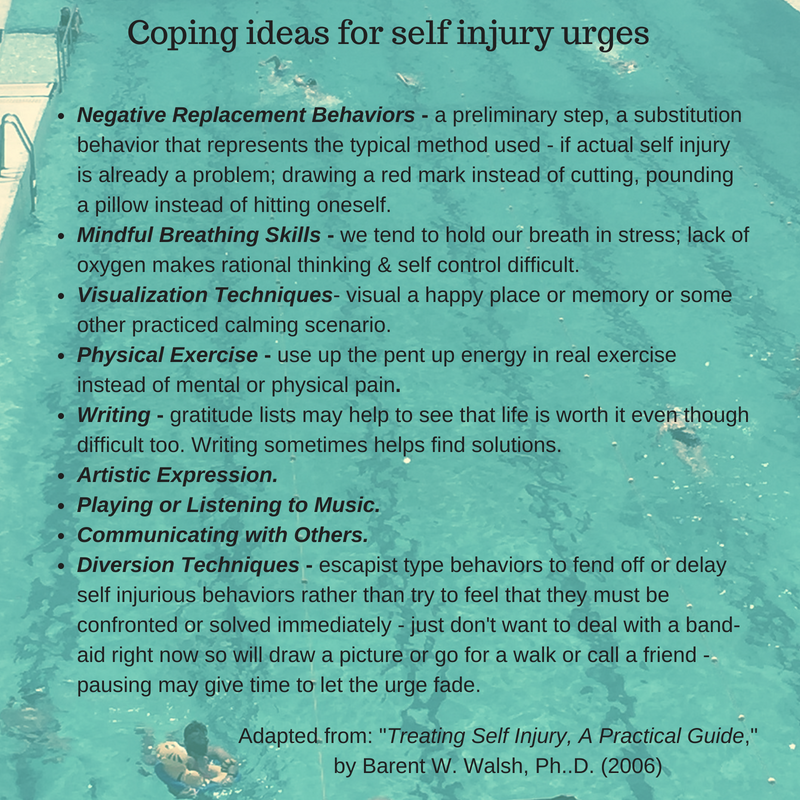
Self harm can occur with physical and mental problems, therapy and health care both may help.  See this post for more about a physical problem associated with self harm urges, and a link to a book written for counselors from which I adapted the list below:

Cell Wall Deficient Pathogens – L-Forms

Rheumatoid arthritis and other autoimmune diseases are actually the body’s attempt to find and kill human cells that had been colonized by pathogenic bacteria or fungi. At the microscopic level single celled organisms can exist in forms that are as different as the baby tadpole to the fully grown frog. During times of better health of the host the parasitic pathogen can change forms and hide from the better armed immune system within a few infected cells. During times of sickness, when there may be a flair up of the chronic symptoms, the colonies of cell wall deficient microbes multiply within the infected host cells and the host cells divide. Eventually the number of infected cells increase to another level of the pathogens life cycle and the host cells can split open and release pathogens that have the outer wall again which might increase risk of spreading the infection to other hosts.L-forms are referring to a “Life-form” stage of bacterial growth in which the bacterium can lose its outer wall and start growing within the interior of a human cell or other host cell. The following article by Amy Proal goes into extensive detail about the history of research in the field of autoimmune disease and cell wall deficient pathogens. http://bacteriality.com/2007/08/18/history/

Lida Mattman, a pioneer in the field of L-form microbes, is pictured at her microscope. She died at age 96 in 2008.  Obituary: http://www.lymenet.de/literatur/lida_mattman.htm

Sue Massie is a mother who found that Lyme’s disease was a problem for her husband, herself and their 6 children. She shares her family’s medical journey – they all were sick with low grade chronic symptoms. Dr. Mattman is quoted near the bottom of the article regarding the potential risk of infection from physical contact with a human carrier of Lyme’s disease (Borrellia burgdoferi):

“Dr. Mattman believes that touching can spread Lyme disease. The Lyme spirochete can actually occur in tears, and therefore can be transmitted to hands, which contaminates doorknobs, pens, people shaking hands, etc. This appears to be consistent with the observation that whole families often culture positive for Lyme and present with symptoms.” http://www.springboard4health.com/notebook/health_lyme_disease.html

  • A link to the book by Lida H. Mattman, Ph.D in Immunology from Yale University, “Cell Wall Deficient Forms: Stealth Bacteria“: http://www.lymebook.com/cell-wall-deficient-forms-mattman
  • A book review about Lida Mattman’s book, Cell Wall Deficient Forms: Stealth Bacteria:
    From Book News, Inc.
    Mattman (immunology, Nelson Medical Research Institute, Warren, MI) explores pleomorphic forms of bacteria and fungi, which are inconvenient to deal with but allow a much more precise identification of a pathogen and diagnosis of disease. She provides information to help researchers determine the organisms that should be added to the childhood vaccine, especially for boys; the bacterium found in its pleomorphic state in direct smears of synovial fluid of rheumatoid arthritis cases; the chronic disease for which an acid-fast organism is routinely found in smears of 72-h blood cultures in any routine medium; the bacterium that has a life cycle in the human erythrocyte as complex as that of Plasmodium malaria; the common pathogen of which the L form can permanently damage mammalian myocardium; and other microbes. No dates are noted for previous editions. Book News, Inc.®, Portland, OR http://www.personalconsult.com/articles/lymecellwalldeficiency.html
  • Excerpt from the book “The Top Ten Treatments for Lyme Diseasehttp://www.lymebook.com/marshall-protocol:  “In the past, sarcoidosis patients have received only minimal benefit from antibiotic therapy. But Dr. Marshall discovered that, upon reduction of 1,25-D levels, sarcoidosis patients can actually be cured with antibiotic therapy.”

Coinfections are a frequent problem within autoimmune disease sufferers. Sarcoidosis patients have had a variety of different species of pathogens cultured from blood samples. A weakness in immune strength may leave some people more susceptible to be a host for the types of pathogens that can survive in the L-form and colonize within human or other host cells. The good news is that the same treatment plan helps the human’s immune system to recognize the infected cells and reduce the infection without chemotherapy or other immune suppressing medications.

Benicar is a medication used in the Marshall Protocol, the treatment plan developed by Trevor Marshall, a biomedical engineer who worked on finding treatment for his own case of sarcoidosis.

Benicar acts to block the Angiotensin Receptor on cell surfaces. It may help the host defense by removing the disguise of “self” that the colonized cells may be using to confuse the healthy uninfected white blood cells. The overactivity of white blood cells is the characteristic response of autoimmunity that adds to long term degeneration. Previous medication strategies have been to suppress the overactive response. The use of Benicar every 6 hours maintains a constant inhibition of the Angiotensin Receptor that may help the healthy WBC identify the sick ones. Another benefit of Benicar therapy would be to reduce wasting of magnesium resources by the kidneys.

Excerpt from “The Stealth Pathogen Theory”  http://www.shoptown.com/Dean/ALS2Lyme.htm:

In the case of rheumatoid arthritis, Dr. Hoekstra has found that virtually all the patients he has studied have had significant amounts of a bacteria called Propioni bacterium acnes. “This is the genus and species of the organism we believe is responsible for propagating and perpetuating this disease,” says Dr. Hoekstra. “It is a very common bacteria in an altered state of being–it’s cell wall deficient.”

 The bacteria was first identified and described in 1981 by G.A. Denys at Wayne State University in Detroit, Michigan. “This bacteria is passed transplacentally, from mother to fetus, and this may be responsible for rheumatoid arthritis showing up in generations in a single family,” says Dr. Hoekstra.

 Why this bacteria is prevalent in seemingly all cases of rheumatoid arthritis is not clear; overuse of antibiotics may be a factor encouraging its growth. “The use of antibiotics is one of the most potent ways of inducing cell wall deficiency; bacteria seem to do this as a survival mechanism.”

 In other words, when a bacteria is transformed into a cell wall deficient form, it assumes different characteristics from the whole or native type of microorganism it used to be, Dr. Hoekstra explains. “The organism remains intact except it loses its cell wall and its antigenic characteristics, enabling it to function as a cellular chameleon.” When it loses its antigenic signature, the bacteria is able to mask itself against destruction by the immune system’s antibodies which can no longer recognize it as an antigen (foreign protein).

 Dr. Hoekstra’s mentor, Lida Holmes Mattman, Ph.D., also of Wayne State (now professor emeritus of biology), confirmed the causal role of P. acnes in a laboratory experiment. Dr. Mattman extracted the bacteria from the synovial fluid (which lubricates joints) of human arthritis patients, and injected it into chicken embryos. The chicks then exhibited symptoms of rheumatoid arthritis. When she treated the chicks with antibiotics known to disable P. acnes, the disease disappeared.

Disclaimer: Opinions are my own and the information is provided for educational purposes within the guidelines of fair use. While I am a Registered Dietitian this information is not intended to provide individual health guidance. Please see a health professional for individual health care purposes.