Zinc – big news, CoV and other illness related.

Zinc deficiency can cause a lack of taste and smell and the reason zinc effects the presence or absence of bitter taste receptors on the tongue suggests it would also effect the number of bitter taste – or other types of taste receptors – in any location of the body. Zinc is needed to tell the cell’s genes* to make the RNA and proteins needed to form the taste receptors which then can implant at the cell membrane surface – ready to sense a taste of food on the tongue. (4)

*”Zinc-dependent amidohydrolases,” for example, are proteins involved in “DNA replication and repair” and are involved in epigenetic control of gene’s “histone acetylation and methylation,” – turning the genes on or off by having methyl groups added – like putting the cap back on the toothpaste tube – will the gene or won’t it be used to encode a strand of RNA? RNA is then used as a pattern for the cell to make proteins whether bitter taste receptors, or other proteins – whatever the DNA/RNA pattern has encoded for a chain of amino acids to be joined together into a long protein chain. Once the straight chain of protein is made various amino acids may have a bend or an electrically active zone causing the protein to fold into a complex shape – such as a membrane receptor. (See Table 3, 10)

Taste sensations & other symptoms of zinc deficiency in older people:

In older people, for whom zinc deficiency may be an increased risk, loss of taste sensations, or altered taste (metallic or other changes in perception of the taste may be a side effect of prescription medications or other causes) are due to: “drug use (21.7%), zinc deficiency (14.5%) and oral and systemic diseases (7.4% and 6.4%, respectively).”  (5)

Zinc administration improves taste in 50–82% of patients suffering from taste disorders (a common symptom of zinc deficiency). Effects of zinc administration do not appear immediately, and therapy should be continued for at least three months.

Zinc deficiency is known often to accompany severe physical disabilities, liver cirrhosis, chronic hepatitis, chronic inflammatory bowel diseases, type 2 diabetes mellitus, chronic kidney disease, cardiac insufficiency, short stature, and is also more common in the elderly and professional athletes [6,7,8,9,10,11,12,13,14,15].

– Excerpts from an article based on “the Japanese Society of Clinical Nutrition recently issued…Japan’s Practical Guideline for Zinc Deficiency 2018…” which focuses on the role of zinc deficiency in intestinal inflammation of inflammatory bowel disease and the nitrogen metabolic disorder common with liver cirrhosis. (6)

(Kodama, et al., 2020) (6)

Lack of taste sensations from eating that is due to zinc deficiency, and lack of taste receptors on the tongue, can usually be fairly quickly reversed by providing adequate zinc in the diet or by supplementation, (3), possibly a little taste sensation being restored within days of increased zinc intake. How quickly the taste receptors are made may also depend on other individual factors such as protein intake and general health.

Excess copper in the diet may also be a factor in zinc deficiency, because zinc and copper share transport proteins (2) which is how a limited supply of trace minerals is stored in the body. Otherwise they might cause damage due to being electrically active – able to attract or donate electrons; or they are involved in enzyme and signaling roles which might cause too much cellular activity, or the wrong messages. Zinc is involved in the process of apoptosis the immune cell killing and safe removal of infected or damaged cells. (1)

Which taste receptors are formed first and where on the tongue may also vary after zinc intake is increased by diet or supplementation; the sweet and bitter taste receptors may be restored earliest. (3)

Bitter and sweet tastes may work in balance in a healthy diet – bitter taste receptors help regulate appetite and blood sugar levels. “Bitter taste receptors influence glucose homeostasis.” (5) Glucose is blood sugar, bitter taste receptors are involved with reducing insulin resistance and may help prevent Type 2 diabetes and Metabolic Syndrome.

Background info for new readers: the ability to taste sweet and bitter may have impacts on health throughout the body – bitter taste receptors and other types of taste receptors are found in other areas of the body besides the tongue. They sense the environment in the case of sweet or sour – the body wants to have enough blood sugar but not too much, and the same thing with acidity – just the right range of pH is needed for health. If we get too acidic it is more likely to promote cancer. Too alkaline is less likely to occur in typical health scenarios.

Chronic kidney disease may also involve a problem with bitter taste receptors, or lack of them. “Bitter taste receptors could affect kidney function via Ca2+ intake. Alkaloids such as phenylthiocarbamide stimulate these receptors and cause an increase in Ca2+ intake.” (7) Excessive calcium within a brain cell can over-activate it, and even lead to cell death, while in the kidney maybe it would be helping health by removing excess calcium.

Some of our immune cells also may have taste and odor receptors. The taste receptors identified included the types that detect bitter, sweet, and umami (protein flavor). (8) These sensory receptors on a white blood cell (leukocyte) would not be sending nerve signals to the brain in the way taste buds or olfactory sensors in the nose are connected to nerve signals connected to the brain. They might be involved in patrolling our internal environment and detecting if our levels of blood glucose, bitter chemicals and amino acid supply is adequate – or they might be performing some function for us such as modifying the immune cell’s response based on the levels of bitter, sweet, or umami tasting chemicals that were detected in the surrounding fluid filled environment of a blood vessel. Leukocytes are the type of white blood cell that can detect, kill, and remove an infected cell or an infectious pathogen. White blood cells are our front line offensive team against pathogens. (They need magnesium in order to be able to kill the pathogen – but that is a different story.)

Physiology can have many ways to do something, but also tends to stick with the same design – if zinc is needed for cells to make taste receptors on the tongue then it is probable that it also would promote taste receptors in whatever cell types that have taste receptors.

Bitter taste receptors are far more sensitive, 10,000 times more sensitive than sweet, so a tiny amount of a bitter tasting chemical can activate them. Bitter taste receptors lining the intestines will send a satiety, “I’m full now,’ signal to the brain if enough are activated by bitter tasting phytonutrients in the meal or snack. Bitter taste receptors in the lungs if activated by enough bitter tasting phytonutrients (or bitter tasting medications such as quinines perhaps) will cause the lung cells to open the airways wider, increase the production of thin mucus and increase the motion of hair-like cilia lining the airways to move the mucus up and out with a coordinated wave like motion. More info: Bitter taste receptors in the lungs & Hesperidin’s decongestant properties.

This is not done, part one maybe.

Disclaimer: This information is provided for educational purposes within the guidelines of Fair Use. It is not intended to provide individual guidance. Please seek a health care provider for individualized health care guidance.

Reference List

  1. Haase H, Rink L. The immune system and the impact of zinc during aging. Immun Ageing. 2009;6:9. Published 2009 Jun 12. doi:10.1186/1742-4933-6-9 https://www.ncbi.nlm.nih.gov/pmc/articles/PMC2702361/ “There are remarkable parallels in the immunological changes during aging and zinc deficiency, including a reduction in the activity of the thymus and thymic hormones, a shift of the T helper cell balance toward T helper type 2 cells, decreased response to vaccination, and impaired functions of innate immune cells. Many studies confirm a decline of zinc levels with age. Most of these studies do not classify the majority of elderly as zinc deficient, but even marginal zinc deprivation can affect immune function.” — “On the cellular level, zinc is essential for proliferation and differentiation, but zinc homeostasis is also involved in signal transduction [5,6] and apoptosis [7]. Cells depend on a regular supply of zinc and make use of a complex homeostatic regulation by many proteins [8], but the plasma pool, which is required for the distribution of zinc, represents less than one percent of the total body content [1]. Despite its important function, the body has only limited zinc stores that are easily depleted and can not compensate longer periods of zinc deficiency. Additionally, during infections pro-inflammatory cytokines mediate changes in hepatic zinc homeostasis, leading to sequestration of zinc into liver cells and subsequently to hypozincemia [9]. Alterations in zinc uptake, retention, sequestration, or secretion can quickly lead to zinc deficiency and affect zinc-dependent functions in virtually all tissues, and in particular in the immune system.
  2. Levenson C.W., Tassabehji N.M. (2007) Role and Regulation of Copper and Zinc Transport Proteins in the Central Nervous System. In: Lajtha A., Reith M.E.A. (eds) Handbook of Neurochemistry and Molecular Neurobiology. Springer, Boston, MA. https://doi.org/10.1007/978-0-387-30380-2_13 https://link.springer.com/referenceworkentry/10.1007%2F978-0-387-30380-2_13
  3. Kitagoh H, Tomita H. [Healing process of taste receptor disturbance]. Nihon Jibiinkoka Gakkai Kaiho. 1995 Feb;98(2):267-80. Japanese. doi: 10.3950/jibiinkoka.98.267. PMID: 7707185. https://pubmed.ncbi.nlm.nih.gov/7707185/ Abstract in English, article in Japanese. “Patients with taste receptor disturbance were treated with zinc dosage, […] With respect to differences in the recovery process of the four primary tastes, a tendency for the sweet and bitter taste qualities to recover earlier than the others was observed in the simultaneous improvement type.”
  4. *less zinc, fewer bitter taste receptors Sekine H, Takao K, Yoshinaga K, Kokubun S, Ikeda M. Effects of zinc deficiency and supplementation on gene expression of bitter taste receptors (TAS2Rs) on the tongue in rats. Laryngoscope. 2012 Nov;122(11):2411-7. doi: 10.1002/lary.23378. Epub 2012 Oct 15. PMID: 23070743. https://pubmed.ncbi.nlm.nih.gov/23070743/
  5. Imoscopi, A., Inelmen, E.M., Sergi, G. et al. Taste loss in the elderly: epidemiology, causes and consequences. Aging Clin Exp Res 24, 570–579 (2012). https://doi.org/10.3275/8520 https://link.springer.com/article/10.3275/8520
  6. Kodama H, Tanaka M, Naito Y, Katayama K, Moriyama M. Japan’s Practical Guidelines for Zinc Deficiency with a Particular Focus on Taste Disorders, Inflammatory Bowel Disease, and Liver Cirrhosis. Int J Mol Sci. 2020;21(8):2941. Published 2020 Apr 22. doi:10.3390/ijms21082941 https://www.ncbi.nlm.nih.gov/pmc/articles/PMC7215354/
  7. Liang J, Chen F, Gu F, Liu X, Li F, Du D. Expression and functional activity of bitter taste receptors in primary renal tubular epithelial cells and M-1 cells. Mol Cell Biochem. 2017 Apr;428(1-2):193-202. doi: 10.1007/s11010-016-2929-1. Epub 2017 Feb 24. PMID: 28236092.
    https://pubmed.ncbi.nlm.nih.gov/28236092/
  8. Malki A, Fiedler J, Fricke K, Ballweg I, Pfaffl MW, Krautwurst D. Class I odorant receptors, TAS1R and TAS2R taste receptors, are markers for subpopulations of circulating leukocytes. J Leukoc Biol. 2015;97(3):533-545. doi:10.1189/jlb.2A0714-331RR https://www.ncbi.nlm.nih.gov/pmc/articles/PMC5477889/
  9. Wessels, I.; Maywald, M.; Rink, L. Zinc as a Gatekeeper of Immune Function. Nutrients 2017, 9, 1286. https://www.mdpi.com/2072-6643/9/12/1286
  10. Itika Arora, Manvi Sharma, Liou Y. Sun,Trygve O. Tollefsbol, The Epigenetic Link between Polyphenols, Aging and Age-Related Diseases. Genes 2020, 11(9), 1094; https://doi.org/10.3390/genes11091094 https://www.mdpi.com/2073-4425/11/9/1094/htm

Covid related references, section to be written

  • ZINC IS KEY TO HCQ PROTOCOL SEPTEMBER 21, 2020, Editorials 360, The group given zinc with hydroxychloroquine had less mortality, discharged sooner, less likely to need a ventilator compared to the group given hydroxychloroquine but no zinc sulfate: “The docs discovered that those that obtained zinc sulfate have been discharged residence extra often and have been much less prone to want a ventilator. General, members of this group had decrease danger of mortality because of the virus and decrease possibilities of needing hospice or the ICU. They concluded, “This examine gives the primary in vivo proof that zinc sulfate together with hydroxychloroquine could play a task in therapeutic administration for COVID-19.”
  • Adam Drewnowski, Carmen Gomez-Carneros, Bitter taste, phytonutrients, and the consumer: a review, The American Journal of Clinical Nutrition, Volume 72, Issue 6, December 2000, Pages 1424–1435, https://doi.org/10.1093/ajcn/72.6.1424 https://academic.oup.com/ajcn/article/72/6/1424/4729430Bitter phenolics, such as quercetin, are the most common bitter compounds in immature apples and other fruit (17).
  • The Cure for Malaria Could be in Your Backyard, ctegd.uga.edu, https://ctegd.uga.edu/the-cure-for-malaria-could-be-in-your-backyard/ Quinine, which comes from the bark of a cinchona tree, was first isolated as an antimalarial compound in the 1800s, though there is evidence that bark extracts have been used to treat malaria since the 1600s. …native to Peru.
  • Quinine in Tonic Water: What Is It and Is It Safe?, healthline.com, https://www.healthline.com/health/quinine-in-tonic-waterQuinine is still in tonic water, which is consumed around the world as a popular mixer with spirits, such as gin and vodka. It’s a bitter beverage, though some manufacturers have tried to soften the taste a little with added sugars and other flavors.
  • Samer Singh, Rakesh Kumar Singh, Assessing the Role of Zinc in COVID-19 Infections and Mortality: Is Zinc Deficiency a Risk Factor for COVID-19?, medRxiv preprint doi: https://doi.org/10.1101/2020.06.12.20105676. this version posted June 14, 2020. a CC-BY-ND 4.0 International license “Zinc is essential to good health and immunocompetence. Its deficiency is generally associated with a negative impact on overall health, increased susceptibility to disease, and infections [9-12].” “A negative correlation between the Zinc deficiency prevalence estimate for the countries and the reported cases of COVID-19 was consistently observed at all three time-points analyzed that covered pre infections peak, i.e.,8 April 2020, and post infections peak, i.e., 12 and 26 May 2020 (see Table 2). The Zinc deficiency of the populations also negatively covaried with adverse outcomes (mortality) per million population and the correlation seemed to better with the passage of the current wave of COVID-19 infections.
    • I am not sure about the ‘negative correlation’ if wording issue or if there were less illness with zinc deficiency. Infection causes zinc to be sequestered, so maybe the sicker people get the more zinc is sequestered. I haven’t read the full paper yet.

Covid-19 info page added to a new site

Apologies for not getting more progress done on my book project. I have added a summary page with Covid-19 information and links for more information to a new website, jenniferdepew.com/covid19, and a copy to effectivecare.info/covid 19 information.

Some of the information is still in research phases, however it is a novel – new virus so everything about the infection and illness and slow recovery or chronic phases is also new – still in research phases. Please read with caution and common sense. Megadoses of foods or supplements of nutrients or phytonutrients can be a health risk and may not be necessary.

As described in the book excerpt in the last post, many phytonutrients are helpful as modulators – helping increase a low response or to reduce an overactive response which means taking more will likely not cause any more of an effect than taking some.

The new website is still in preliminary phases – my goal is to have a site that combines themes from my other sites –

  • earth-ocean.info is focused on how technology plus human effort could help our planet and ocean health.
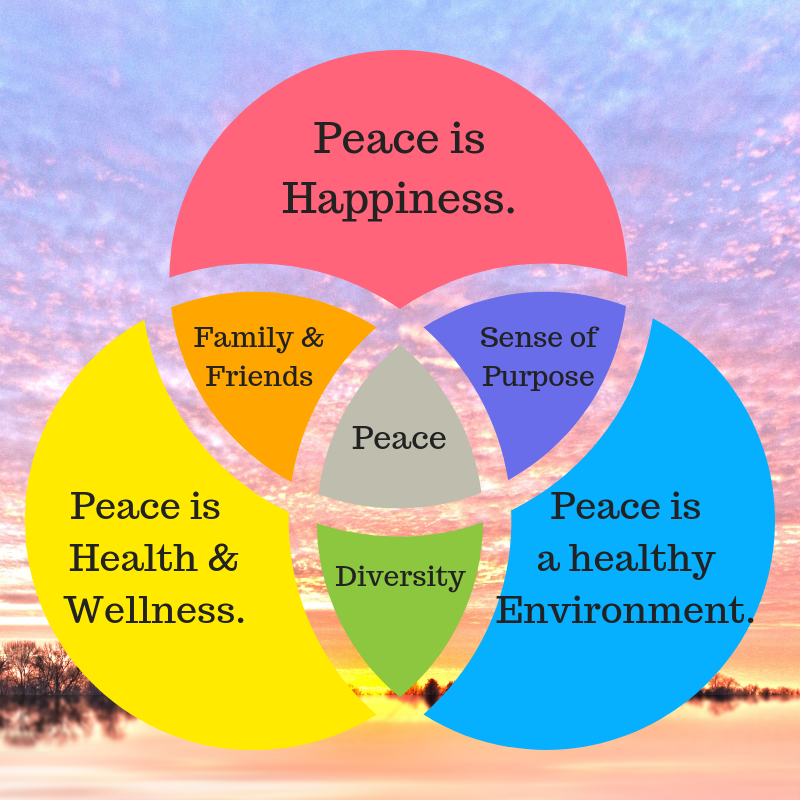
  • peace-is-happy.org is focused on the interconnectedness of peace and adequate housing, food, water, and biodiversity, along with connectedness between social groups. Humans are designed for social groups, isolation can be unhealthy.
  • effectivecare.info is in a book format with a focus on why policy is important and what might be involved in developing policies that are more likely to be effective, considering human nature – we all have foibles and quirks and some of it is instinctual. Recognizing that our instincts are unspoken, yet real, can help in developing policies that work around some of those human quirks. The blog associated with this site, effectiveselfcare.info, is basically a more condensed copy of transcendingsquare.com – my first draft blog – here is where my work tends to start and then gets more organized elsewhere.
  • effectivepolicy.info predated the more detailed effectivecare.info book/site.
Graphic, sunrise with a Venn Diagram showing an overlap of "Peace is Happiness" "Peace is a healthy Environment" Peace is Health & Wellness" "Family & Friends" "Sense of Purpose" "Diversity" "Peace"
Peace may require adequate resources, community, and a healthy environment.

The planet is home for all of us, and all of life, without it we have no home.

Peace and love to you all.

Disclaimer: This information is provided for educational purposes within the guidelines of Fair Use. It is not intended to provide individual guidance. Please seek a health care provider for individualized health care guidance.

Artemisinin, arteannuin-B, sgp130Fc and COVID-19

I’m more of a blogger, or early Christmas present giver, than may be ideal for a book author. I’ve been working on a section of my new book that might be beneficial for SARS-CoV-2 prevention and COVID-19 treatment. It may also help explain what makes some people more susceptible for developing severe COVID-19 illness rather than remaining asymptomatic as others who test positive for the SARS-CoV-2 virus.

The book is in very early stages but is on a platform where you can get an e-copy early (minimum price Free, Leanpub/Tipping The Clock Toward Health) and then be informed of updates with an email subscription. I’m copying the artemisinin section here in case it may be helpful. The theme of the book is not CoV specific so the excerpt is also including it within a larger topic.

The too long;didn’t read – a different extract of wormwood, arteannuin-B, may be a more effective anti-viral and anti-inflammatory, than the artemisinin; while the artemisinin may help with a chronic anemia of inflammation type iron overload problem, which may occur with COVID-19 recovery or when the illness is severe. Artemisinin has also been found useful for autoimmune disease and possibly as a cancer treatment. The bigger CoV specific information is a theory about interleuken-6 (IL-6) and a genetic difference that may explain why some people can be asymptomatic carriers of the virus – their immune system doesn’t overreact to IL-6 – and for those more at risk for over-reacting a protein our body normally makes (sgp130Fc) may be an effective treatment because it would just be needed in the overactive amount (five times the normal level).

Merry Christmas – I never could save a present I bought early.

Autoimmune Disease and other Chronic conditions

What if you are feeling so sick that nothing seems cheerful? There are no guarantees that eating healthier will be a cure-all, however you don’t know without trying and some symptom relief might be possible at least. Giving time a chance to help may also help. It can take seven days for the intestinal lining to start to heal and longer for most other areas of the body. Take care of your brain because most types of brain cells do not get replaced regularly the way that cells throughout the rest of the body are retired and replaced with new cells. The advantage in the foods and phytonutrients that tip the body away from inflammatory pathways and towards the production of antioxidants and increased immune function is modulation – moderation.

Immunomodulators and other types of modulating chemicals can shift the activity slightly towards more active or less active. An overactive immune system can also be dangerous. Modulation can be moderate – just the right amount of activity. The healing foods and phytonutrients may help moderately increase immune activity without over activating it into an autoimmune level of action. And they may moderately inhibit the inflammatory pathways without suppressing them totally as may occur with immunosuppressive drugs. During an infection we need the inflammatory pathways but we do not need an overactive response.

Too many inflammatory chemicals can lead to their attacking our healthy body cells in an immune response called a Cytokine Storm or Sepsis Shock. An autoimmune over-reaction may involve molecular mimicry where a food protein or other substance that is similar to our own body’s chemicals sets off an allergic type of immune response against the body chemical, not just the dietary protein.

Wormwood, Artemisia annua, an anti-malarial herb used in Traditional Chinese Medicine, and source of Artemisinin and arteannuin-B .

Wormwood is a medicinal herb used in Traditional Chinese Medicine (TCM). An extract of it is used to treat malaria. Artemisinin, the extract, has also been found to help modulate the immune system, which may be helpful for the treatment of autoimmune disease. Derivatives of artemisinin have also been studied for use as antiviral and anticancer treatments. (52⁸⁷) White blood cells can help identify, kill, and remove infected, damaged, or cancerous cells in a process called autophagy however the response can also become overactive in the case of autoimmune disease or a cytokine storm.

Immunomodulating herbs and drugs can help stimulate an immune response while also inhibiting too large of a response. Artemisinin was found to be helpful for rheumatoid arthritis, which has been shown to be due to a pathogen with an intracellular form, (53⁸⁸), and not helpful for osteoarthritis which is due to overuse or other physical trauma. (54⁸⁹) Artemisinin is a phytonutrient extract of the herb wormwood. It is used as a malaria treatment and in Africa ten grams of the dried herb may be used daily as a prevention against malaria, a mosquito borne parasitic disease affecting blood cells. (55⁹⁰)

The whole herb, wormwood (Artemisia annua), may contain other phytonutrients with stronger anti-viral effects than artemisinin, as whole herb extracts were found more effective against the SARS-CoV-2 virus than artemisinin alone (cell-based study). The World Health Organization (W.H.O.) expressed concern that use of a whole herb extract for non malarial illness in the population might result in an increase in artemisinin-resistant malaria strains. (56⁹¹) That concern may be overlooking the synergistic – additive – effect phytonutrients within a plant may have.

Many plants have phytonutrients that work together beneficially, helping health in different ways that have an additive effect: one may help offset a negative effect of another, or one may help one symptom and another might help a different symptom. Ginger root, for example, has over 400 bioactive phytonutrients.

Artemisinin chemically is a sesquiterpene lactone – an aromatic terpene. Two strains of Artemisia annua were chemically analyzed and found to have slightly different ratios and types of sesquiterpenes and terpenes, (57⁹²) so other aromatic chemicals in the whole herb may also be helping health in various ways. One in particular, arteannuin-B, has been found to work with artemisinin against the malaria parasite in a combination that was more effective than if the artemisinin was used alone. (58⁹³) Switching to a whole herb extract or using the combination of arteannuin-B and artemisinin might reduce the risk of the malaria parasite becoming artemisinin resistant instead of increasing the risk about which the W.H.O. expressed concern. (56⁹⁴)

Bioactive – chemicals with some biological effect within our bodies, it might be beneficial or harmful for a particular person depending on the person’s underlying level of health or genetic differences, or gender, age or other factors.

Artemisinin chemically is attracted to cells with excess iron which infectious microbes need for growth and so do cancer cells. The phytonutrient can stop protein replication within the iron rich cell which stops the replication of the infectious microbe. It also seems to bind with the excess iron which in itself can cause oxidative damage – rust might be a more familiar term for oxidative damage affecting iron. If Rheumatoid arthritis is due to an intracellular pathogen then artemisinin may be helping by stopping the underlying infection. It can help in cancer because cancer cells also tend to have extra iron and it may be helpful for the anemia of chronic inflammation which also involves excess iron in cell storage instead of being used to carry oxygen within red blood cells and may be involved in symptoms of extreme tiredness during later stages or recovery from an infection.

The amazing thing about artemisinin in comparison to other antimalarial medications is a low toxicity risk comparatively. Healthy cells are not targeted. Normal function does not seem to be disrupted although it may have pro-inflammatory effects. Arteannuin-B, on the other hand, has been found to have significant anti-inflammatory effects:

Arteannuin-B inhibits the LPS-activated production of PGE2 four times more than artemisinin or dihydroartemisin, and it has a strong inhibitory effect on the proinflammatory interleukines IL-1β, IL-6, TNF-α.”. (Lutgen 2013, 58⁹⁵)

Reducing interleukin-6 levels would likely be helpful for treating COVID-19 illness. It is increased by the SARS-CoV-2 virus and by the infection process naturally. It can help fight infection and has pro and anti-inflammatory types. A protein (sgp130Fc) helps control the pro-inflammatory type but it is normally present in amounts lower than would be needed during later stages of COVID-19 illness (the name of the disease caused by an infection with the SARS-CoV-2 coronavirus, a new virus in the group of cold and influenza viruses). Providing sgp130Fc as a treatment may help treat the people with the more severe inflammatory reaction. There seems to be a genetic susceptibility regarding the over sensitivity to IL-6 levels which may help explain why some people don’t get very sick and others get severely ill with a SARS-CoV-2 infection. (59⁹⁶)

Recent studies about polymorphism within the IL-6R genes, showed how some IL-6 Receptor variants could be a much better substrate for the shedding protease ADAM17, resulting in a reduced response to inflammation and infectious states, in terms of sIL-6R increase [68]. Those individuals are also protected from many chronic inflammatory diseases [69].” (59⁹⁷)

This theory, if true, could help point out who is more at risk for a severe immune reaction to a SARS-CoV-2 infection – people with chronic inflammatory diseases – it suggests they have the more active immune response by their IL-6 Receptor. Knowing who is more at risk can help identify who needs to be more self-protective and who may benefit from preventive treatment or early treatment for suspected symptoms. And they may be the people who might be helped by providing the protein sgp130Fc that inhibits the pro- inflammatory IL-6 Receptor. There is enough of the inhibiting protein to block the receptor activity during normal health but the level of IL-6 can increase five-fold during an infection – while no extra sgp130Fc is made. The excess IL-6 starts inflammatory activity in surrounding cells creating an increasing inflammatory response. (59⁹⁸)

Panic? Or use the information about our genetic immune responses and infection risks to be more proactive about our own health? or our communities’ health?

We can defend from within by providing our bodies with the extra nutrients that our unique genetic metabolism or infection or disease may require for our cells to cope. Vitamin C and other antioxidants and phytonutrients can also help reduce IL-6 and other inflammatory chemicals.

~~~~ end of book excerpt as it was written

addition: The protein sgp130Fc has also been found helpful to treat an animal model of Rheumatoid arthritis. The treatment used was 2.5 mg/kg which was given intravenously to the animals daily three weeks after the induction of the disease condition. Thy hypothesis that the treatment would also improve vascular health in the animals was not disproved. (60) Vascular health is commonly negatively effected in Rheumatoid arthritis along with the symptoms of swollen and painful joints, typically starting in the fingers and toes and progressing to the feet and ankles.

The protein sgp130Fc may also be helpful for treating ulcerative colitis and Irritable Bowel Syndrome. It is tested in human clinical trials for the two bowel conditions by Ferring Pharmaceuticals and I-MAB Biopharma. The version of the protein being produced and tested by the pharmaceutical companies is being called Olamkicept. (61)

The protein may also affect the risk of Alzheimer’s dementia or other inflammatory brain conditions. The protein does not cross the blood brain barrier but affects throughout the rest of the body may still affect the brain by causing an increase of soluble interleuken-6 Receptors which then can increase brain inflammation. The spg130Fc would need to be delivered into the brain somehow to inhibit the soluble IL-6 R and reduce inflammation. (61)

Maybe it would help reduce the amount of the soluble IL-6 Receptors that would be available to enter the brain if given intravenously within general circulation, I don’t know enough about this topic. It is nice to have some hope though. Previous treatment approaches for Alzheimer’s dementia have focused on reducing amyloid protein and it has not been found very helpful for improving the condition.

Pomegranate polyphenols (ellagic acid) can cross the blood brain barrier after metabolism by intestinal bacteria transforms them into urolithins. (62) Pomegranate peel extract also has been used to help form nanoparticles. Urolithin a is being given orally as a nanoparticle to help reduce oxidative stress during treatment with the cancer drug cisplatin. Mortality rate improved in an animal-based study with the addition of the urolithin a. (63) Maybe a combination of spg130Fc and urolithin could cross the blood brain barrier.

Cautions for use of spg130Fc may be needed if liver disease is present, and use for cancer treatment would be dependent on the specific cancer type. It might help treat some types and worsen other types. (61)

Disclaimer: This information is provided for educational purposes within the guidelines of Fair Use. It is not intended to provide individual guidance. Please seek a health care provider for individualized health care guidance.

Reference List

Big news, non CoV related – polyphenols linked to lower dementia risk, large human study

Study: Long-term dietary flavonoid intake and risk of Alzheimer disease and related dementias in the Framingham Offspring Cohort. 22 April 2020 https://academic.oup.com/ajcn/advance-article/doi/10.1093/ajcn/nqaa079/5823790

Article about the study: https://www.medicalnewstoday.com/articles/low-flavonoid-intake-associated-with-alzheimers-risk#6-types-of-flavonoid

EGCG is a polyphenol in green tea and in the peel of pomegranates. It has been found to help regrow hippocampal cells which are the type that are damaged to the point of cell death in Alzheimer’s dementia:

Subsequently, another investigation demonstrated that administration of EGCG in adult hippocampal neural progenitor cell (NPC) cultures and in denate gyrus of adult mice improved spatial cognition thereby promoting adult neurogenesis. … [132]. ” (1)

Also see this post about urolithin, a metabolite of pomegranate juice formed by healthy microbes in our intestines and which can then cross the blood brain barrier to reduce neuroinflammation in the brain: Pomegranate, neuroinflammation, antimicrobial, metal chelator.

Reference list

  1. Itika Arora, Manvi Sharma, Liou Y. Sun,Trygve O. Tollefsbol, The Epigenetic Link between Polyphenols, Aging and Age-Related Diseases. Genes 2020, 11(9), 1094; https://doi.org/10.3390/genes11091094 https://www.mdpi.com/2073-4425/11/9/1094/htm

In a rush – peace and love everyone!

Be a light!