GLP-1 Medication Class-Action Lawsuit is Picking Up Speed

Why bitter tasting phytonutrients are a better appetite suppressor/GLP-1 hormone stimulator … less deadly, less likely to cause blindness or loss of gallbladder… and worse, worse than death? maybe

There Is Massive Litigation Underway

Thousands of lawsuits have been consolidated against Novo Nordisk (Ozempic, Wegovy) and Eli Lilly (Mounjaro, Zepbound). As of January 2026, over 4,400 patients have filed claims, now organized into two main multidistrict litigations (MDLs) in Pennsylvania federal court. (1, 4, 7)

“A recent survey by the nonpartisan health organization KFF shows that 12% of American adults (over 31 million people) are currently using GLP-1 drugs; about one in five Americans (over 46 million) have tried such drugs.”

[…] Regarding timeline and potential outcome for some of the plaintiffs:

In federal litigation, there are key hurdles for claims related to gastroparesis: the Court for the Eastern District of Pennsylvania, where the cases are centralized, requires plaintiffs to have undergone specific medical tests at the time of diagnosis to confirm the condition. If such tests were not conducted at the time, plaintiffs may be excluded from compensation.

In addition, lawsuits usually take a long time. Since all cases have been centralized in the Eastern District of Pennsylvania, several ‘bellwether trials’ will be conducted first to gauge the potential direction of the cases. Plaintiff attorneys say this could stretch until 2027. Considering that the earliest lawsuits were filed in 2023, the process for patients to receive compensation is indeed lengthy.

– Austin Fast, a USA Today investigative data reporter (link in English but lots of ads, in an Excerpt podcast interview by Dana Taylor (usatoday.com/)

(1 *article in Chinese, translation of a podcast interview is included below)

The cases allege that manufacturers failed to adequately warn about severe risks. (3, 9)

The Injuries Being Alleged

The harms are serious and, in some cases, permanent:

Injury Type: Details; Prevalence in Lawsuits

  • Gastroparesis (Stomach Paralysis): Stomach stops emptying properly; causes chronic nausea, vomiting, pain; ~75% of federal cases. (1, 7)
  • Ileus/Intestinal Obstruction: Bowel muscles fail to push waste through; can require emergency surgery: ~18% of cases. (1, 7)
  • Gallbladder Disease: Inflammation, gangrene, surgical removal; ~8% of cases (1, 7)
  • NAION (Eye Stroke): Sudden, permanent vision loss from optic nerve blood flow blockage; Separate MDL with 29+ cases as of Jan 2026, growing rapidly. (9)
  • Pancreatitis: Inflammation of pancreas; can be fatal; Included in many claims. (6)
  • Wernicke’s Encephalopathy: Brain dysfunction from vitamin deficiency secondary to severe vomiting; At least one reported case. (1, 7)

The vision loss piece—”eye stroke” (NAION)—is particularly significant. European regulators recently updated Wegovy and Ozempic labels to warn that the drugs may cause NAION in up to 1 in 10,000 patients. U.S. labels still only warn of vague “vision changes” without mentioning NAION specifically. (4, 7)

  • Todd Engel, a 63-year-old Maryland truck driver, lost vision in one eye, then the other while taking Ozempic. He’s now legally blind. His lawsuit is one of many. (1, 7)
  • JoHelen McClain, 72, heard her colon “pop” while driving her granddaughter home. It had ruptured from a blockage. She required emergency surgery and a permanent colostomy bag. (1, 7)

These are some of the stories behind the case numbers.

Syringe/Injection was how the drug was given to many patients.

  • Ozempic, Wegovy, Mounjaro, Zepbound are all injectable drugs. (2, 3)
  • The litigation is active now and growing rapidly—over 3,000 cases in the gastrointestinal MDL alone as of January 2026. (8, 9)
  • The vision loss MDL was just established December 2025—very recent. (9)
  • Bellwether trials (test cases) are expected to begin in late 2026 or early 2027. (3, 8)

“Someone’s lawsuit will help make the way for justice.” That is what bellwether trials do—they test the waters before potential global settlements.

Strokes: Yes, But of the Eye

Are strokes a reported problem with Ozempic? NAION is literally called an “eye stroke” —it’s caused by interrupted blood flow to the optic nerve. (3, 7, 9)

Regular strokes (cerebrovascular) haven’t been strongly linked, but diabetic patients—the primary users—are already at elevated stroke risk, which complicates causation arguments. (7)

Placebo and Falsified Trials

“Placebo” and “falsified drug trials” also appears in the litigation. Plaintiffs argue that:

  • Early trials minimized gastrointestinal risks
  • Warning labels were updated only after lawsuits began filing in 2023 (7, 8)
  • Companies promoted off-label weight-loss use while allegedly downplaying severity of side effects (8)

Novo Nordisk and Eli Lilly deny the claims, stating their products are safe when used as directed and that labels are FDA-approved. (1, 7)

Disclaimer: This information is being provided for educational purposes within the guidelines of Fair Use and is not intended for individual health care guidance.

References

  1. 数千起诉讼质疑GLP-1类药物安全性 | The Excerpt, Thousands sue over GLP-1 drugs: What patients allege | The Excerpt, Jan 28, 2026 https://www.familydoctor.cn/news/shuqian-susong-zhiyi-leiyaowu-anquanxing-theexcerpt-322472.html [same article on USAToday, in English but lots of ads) “This article provides an in-depth report on thousands of lawsuits targeting GLP-1 weight-loss drugs, such as Ozempic, Wegovy, and Mounjaro, with patients accusing Novo Nordisk and Eli Lilly of failing to adequately warn about serious side effects such as gastroparesis, intestinal obstruction, and blindness. Investigations show that since 2023, over 4,200 patients have filed lawsuits, with notable cases including Todd Engel from Maryland, who became blind in both eyes after using Ozempic, and 72-year-old real estate agent Jo Harlan McClain from Oklahoma City, who suffered a bowel rupture requiring permanent colostomy. Although the pharmaceutical companies deny the allegations and emphasize the drugs’ significant benefits in controlling blood sugar and reducing the risk of Alzheimer’s disease, patients are calling for stronger warning labels. Experts advise users to closely monitor their physical reactions. The litigation process is expected to continue until the test trial phase in 2027, highlighting the complex challenges of balancing efficacy and safety as innovative drugs become widely used.” (translation con’t below)
  2. Sobia Qasim | Reviewed by Usma Parveen, Ozempic Uses, Mechanism, Weight Loss, and Safety, curely.co.uk, Feb 5, 2026, https://www.curely.co.uk/support-advice/ozempic
  3. Ozempic Faces $2 Billion in Lawsuits Over Severe Side Effects Including Stomach Paralysis and Vision Loss, 6 months ago, Medpath, https://trial.medpath.com/news/e5ef868ff717e201/ozempic-faces-2-billion-in-lawsuits-over-severe-side-effects-including-stomach-paralysis-and-vision-loss
  4. Lynn C. Allison, Lawsuits Against GLP-1 Makers Mount, newsmax.com, Feb 16, 2026, https://rss.newsmax.com/health/health-news/glp-1-medications-drugs/2026/02/16/id/1246287/
  5. Bolt Pharmacy, Ozempic and Blood Clots: Evidence, Risk Factors and Safety Guidance, 4/2/2026, https://www.boltpharmacy.co.uk/guide/ozempic-and-blood-clots
  6. Ozempic Death Lawsuit Claims [February 2026 Update] | Wrongful Death Ozempic Claims, TorHoerman Law, Jan. 15, 2026, https://www.torhoermanlaw.com/ozempic-lawsuit/ozempic-death-lawsuit/ *This is a lawfirm, the page mentions “Our law firm is currently accepting new clients for Ozempic Lawsuits, including family members and loved ones of people who have tragically passed away as a result of these weight loss medications.”
  7. Chris Kenning and Austin Fast, ‘My colon blew up’: lawsuits mount over GLP-1 weight-loss drugs, USA TODAY, Feb 9, 2026, https://www.centraloregondaily.com/news/consumer/glp-1-weight-loss-drug-lawsuits-injury-claims/article_51a44d3d-4161-4dd9-a2f4-f63dbb602eb0.html
  8. Ozempic Lawsuit, Miller and Zois, Attorneys at Law, *also a law-firm accepting cases. https://www.millerandzois.com/products-liability/drugs/ozempic-gallbladder-lawsuit/
    • “This page will provide the latest news and updates on the Ozempic litigation, as well as our predictions about the potential settlement value of these cases.Ozempic lawsuits are being filed around the country. If you have an Ozempic lawsuit, call us today at 800-553-8082 or reach out to us online.”
  9. Weight Loss Drug Lawsuits 2026, FDA Warnings and New Vision Loss and Stomach Paralysis Claims January 2026 Update, By All About Lawyer, Jan. 29, 2026, https://allaboutlawyer.com/weight-loss-drug-lawsuits-2026-fda-warnings-and-new-vision-loss-and-gi-injury-claims-january-2026-update/#can-i-sue-if-i-used-a-compounded-version-of-the-drug

The Excerpt Podcast, an interview transcript:

On the January 28, 2026, Wednesday episode of The Excerpt podcast: As the use of GLP-1 drugs surges, lawsuits allege that they cause serious issues such as blindness and gastroparesis. USA Today investigative reporter Austin Fast breaks down these cases.

This transcript was automatically generated and later edited for clarity. There may be discrepancies between the audio and the text.

Dana Taylor: More and more lawsuits are accusing the manufacturers of certain GLP-1 drugs, such as Ozempic, Wegovy, and Mounjaro, of failing to adequately warn about the risks of serious injuries. As more adverse reactions come to light, how are pharmaceutical companies responding to safety concerns?

Hello everyone, and welcome to USA Today’s The Excerpt podcast. I’m Dana Taylor. Today is Wednesday, January 28, 2026. Since 2023, about 4,200 patients have filed lawsuits questioning the safety of GLP-1 drugs. Joining me today to discuss these cases and the pharmaceutical companies’ responses is USA Today investigative data reporter Austin Fast. Welcome back to The Excerpt, Austin.

Austin Fast: Thank you for inviting me again.

Dana Taylor: As you reported, the most common medical complaint is the so-called gastroparesis. What exactly is this, Austin? How does it affect the body?

Austin Fast: As the name implies, it’s when the stomach stops moving. The stomach muscles weaken and can’t push food into the intestines for digestion. This causes people to feel full quickly, sometimes after just a few bites of food, leading to nausea, vomiting, bloating, pain, and other issues. There is currently no known cure, but it can usually be managed through dietary and lifestyle changes.

Dana Taylor: Another major complaint is intestinal blockage. How severe are the worst cases? What allegations have patients made in this regard?

Austin Fast: Apart from gastroparesis, the symptoms described by plaintiffs in these lawsuits are extremely alarming. Many people had to visit the emergency room multiple times or be hospitalized for several days, and some were hospitalized multiple times at different periods. Some patients reported that even after stopping the medication, symptoms persisted, causing lasting effects.

When reviewing the lawsuit documents, I paid particular attention to one case involving a man from Kentucky: he claimed he had to be hospitalized over ten times due to intestinal blockage and experienced fecal vomiting—that is, when the intestines are completely blocked, waste can only come out in reverse. These are all extremely painful and serious issues.

Dana Taylor: You mentioned that there are a small number of lawsuits involving more serious illnesses. Can you talk about these cases?

Austin Fast: There are dozens of state-level lawsuits in New Jersey, as well as dozens of federal lawsuits, claiming that plaintiffs experienced ‘eye strokes’ resulting in sudden blindness. This is usually caused by a blockage of blood flow to the optic nerve. There are also several cases alleging that the drugs caused gallbladder issues, with patients needing their gallbladder removed due to gangrene and other complications.

We interviewed one of the earliest plaintiffs to file a lawsuit in 2023, who developed severe neurological disorders due to malnutrition: specific vitamin deficiencies led to mental confusion, unsteady gait, and vision changes, completely losing the ability to live as they did before taking the medication.

Dana Taylor: As you mentioned, some patients have shared their experiences with USA Today. Before we go deeper, how have Novo Nordisk and Eli Lilly—the makers of these drugs—responded to safety concerns regarding GLP-1 medications?

Austin Fast: Overall, they deny all allegations, insisting that the drugs are safe and will vigorously defend their reputation. They stated that they update warning labels when there is conclusive scientific evidence and have revised labels multiple times in the past two years, but they still deny most of the claims in the thousands of lawsuits.

Dana Taylor: Now let’s focus on the plaintiffs. Let’s start with Todd Engel, a 63-year-old patient from Maryland. Why did he use semaglutide? What serious injuries does he claim to have suffered from GLP-1 drugs?

Austin Fast: Mr. Engel has diabetes, and using semaglutide was intended for precisely that purpose—to help diabetic patients control their blood sugar. In August 2023, his doctor prescribed him a weekly injection of semaglutide. Just four months later, in December of the same year, he woke up to find serious vision blurring in one eye. At the time, doctors did not associate it with semaglutide, and he continued taking the medication until he lost sight in that eye. In October 2024, ten months after stopping the drug, he told his wife beside him, “You won’t believe it, I can’t see out of my other eye either.”

He is now blind in both eyes. The lawsuit alleges that this was directly caused by his use of semaglutide. Previously, he worked as a snowplow driver for the Maryland government, operating heavy machinery, but he can no longer work due to legally recognized blindness.

Dana Taylor: How has the manufacturer Novo Nordisk responded to this case?

Austin Fast: We specifically asked about Mr. Engel’s case, but they refused to comment directly. However, in court documents, Novo Nordisk and Eli Lilly noted that diabetic patients like Mr. Engel inherently have a higher risk of blindness, gastroparesis, and intestinal issues. Last summer, Novo Nordisk added a note to the European versions of the semaglutide and Wegovy labels—indicating a potential increased risk of eye stroke (which is the exact condition the plaintiff claims)—but the U.S. version of the label has not yet been updated.

Dana Taylor: Jo Harlan McLean, a 72-year-old real estate agent in Oklahoma City, started taking Wegovy in 2023. What experience did she share with USA Today?

Austin Fast: Ms. McLean, like many users, was simply looking to lose some weight. Wegovy had remarkable initial effects: she lost 40 pounds in four months with no gastrointestinal discomfort — doctors I interviewed said this is extremely rare, as nearly all GLP-1 drug users experience nausea or digestive upset.

One day after four months, while driving her granddaughter home, she suddenly heard a “loud pop, like a balloon bursting.” It wasn’t a balloon; her colon had ruptured. Fortunately, the hospital was only a few blocks away. Emergency doctors found her intestines completely blocked, without any prior warning signs such as constipation or pain. Doctors had to remove part of her colon and create a stoma — installing a pouch on her abdomen to collect waste. Afterward, she frequently experienced stoma leaks, leading to severe anxiety and depression. Because of this, she sued the manufacturer for downplaying the drug’s risks.

Dana Taylor: I understand you asked Novo Nordisk about her case. How did they respond?

Austin Fast: Similar to the Engel case in Maryland, Novo Nordisk did not comment on individual cases but generally disputed such claims. The current FDA label for Wegovy in the U.S. warns of potential risks including thyroid tumors, pancreatitis, gallbladder issues, depression, and serious gastrointestinal problems — the closest warning to extreme risks like colon rupture.

Dana Taylor: Austin, how widely are GLP-1 drugs used? How many plaintiffs have claimed serious consequences from using these drugs?

Austin Fast: Usage has surged over the past two to three years, and I believe most listeners have someone in their circle of friends or family who is using it. A recent survey by the nonpartisan health organization KFF shows that 12% of American adults (over 31 million people) are currently using GLP-1 drugs; about one in five Americans (over 46 million) have tried such drugs.

Regarding lawsuits over serious side effects, I reviewed federal court records and the state court records of New Jersey, Indiana, and Delaware—regions where the lawsuits are concentrated—and found over 4,300 individual lawsuits alleging that the drugs caused serious side effects.

Dana Taylor: You and your team randomly reviewed 100 of the thousands of federal lawsuits. What more can you share about these plaintiffs?

Austin Fast: About two-thirds of the sample are women, slightly older than the average U.S. population, with a median age of 52, ranging from people in their 20s to those in their 70s. A significant proportion of plaintiffs did not use just one drug, but tried multiple or used them simultaneously.

The majority, however, used semaglutide (75% of the sample), about a quarter used dulaglutide, 17% used tirzepatide, with other drugs mentioned less frequently. Most lawsuits target the Danish pharmaceutical company Novo Nordisk, which produces semaglutide, Wegovy, and other GLP-1 drugs.

Dana Taylor: Austin, some of the allegations are indeed shocking. But which positive effects related to GLP-1 use did the experts you interviewed point out? I understand the benefits go far beyond weight loss.

Austin Fast: We reviewed multiple studies and consulted medical experts. A doctor at the St. Louis Veterans Affairs Hospital stated that these drugs bring numerous health benefits, including reducing the risk of substance use disorders, decreasing suicidal thoughts, and lowering the risk of epilepsy, dementia, and Alzheimer’s disease—of course, along with the well-known effects on weight loss and blood sugar control.

The doctor expressed particular sympathy for thousands of patients, especially those experiencing life-altering events such as blindness, but he still believes that for most patients, the benefits outweigh the risks. He advises users to closely monitor their bodily signals and to consult their doctor promptly if any concerns arise.

Dana Taylor: What obstacles do plaintiffs face? When can we anticipate the outcomes of these GLP-1 lawsuits?

Austin Fast: In federal litigation, there are key hurdles for claims related to gastroparesis: the Court for the Eastern District of Pennsylvania, where the cases are centralized, requires plaintiffs to have undergone specific medical tests at the time of diagnosis to confirm the condition. If such tests were not conducted at the time, plaintiffs may be excluded from compensation.

In addition, lawsuits usually take a long time. Since all cases have been centralized in the Eastern District of Pennsylvania, several ‘bellwether trials’ will be conducted first to gauge the potential direction of the cases. Plaintiff attorneys say this could stretch until 2027. Considering that the earliest lawsuits were filed in 2023, the process for patients to receive compensation is indeed lengthy.

However, interviewed patients and their families hope the lawsuits will serve as a warning to pharmaceutical companies: that more explicit, dedicated warnings must be added, such as the risk of eye stroke or neurological issues. They emphasize that had they known these risks beforehand, they would never have taken the medications.

Dana Taylor:

Austin Fast is an investigative reporter at USA Today. Thank you again for joining The Excerpt, Austin.

Austin Fast: Thank you for having me.

Dana Taylor: Thanks to senior producer Carly Monahan for her production assistance, and our executive producer is Laura Beaty. We welcome your feedback on this episode. Thank you for listening. I’m Dana Taylor. Tomorrow morning, I’ll bring another installment of USA Today’s The Excerpt.

[End of full text]

AI Content Notice: Portions of the content on this page were assisted by AI (including, but not limited to, subject matter)

a spoon filled with seeds on top of a white table
Fennel Seeds, chewy, a teaspoon may seem like a good serving. Licorice and mint is the blended flavor. May freshen breath and help promote weight loss by leaving a satisfied feeling at the end of a meal. Commonly served in a tiny dish in Indian restaurants, like dessert mints are served in some Western restaurants. Photo by Jaspreet Kalsi on Unsplash

Disclaimer: This information is being provided for educational purposes within the guidelines of Fair Use and is not intended to provide individual health care guidance, however bitter phytonutrients are satiating and generally health promoting in moderate, to tiny amounts. Toasted fennel seeds after a meal also freshens breath, like a sugar free mint with no alternative sweetener, that helps curb appetite and improve gut health.


Fullscript Cyber sale through Nov 28.

Dandelions in close up with a mountain in the distance.

Fullscript is a wholesale supplement dispensary which carries a lot of reputable brands. Individuals can order through an affiliated healthcare professional. People ordering through my account will receive a 30% discount. Happy Health to you!

If interested sign up here and browse the various protocols that I have posted for anyone’s use. (Welcome/Sign up page) Product examples included in one of my protocols are intended for you to browse through rather than a recommendation to get all of it. (Any time I edit a protocol the system requires that I add another product to be able to save the edits.) People signed up under my account are allowed to browse the entire catalog or select from the examples I put in some protocols.

In order to participate in Fullscript’s promotion I had to change my settings – so the holiday discount should be active as of now through November 28th. Feel free to ask me questions in the comments or you can reply to email posts directly rather than making a public comment.


Thanks for the support and feedback about leg lymphedema. (Yesterday’s post: Lymphedema, movement, and structured water. (open.substack.com/pub/denutrients) – subscribe to my Substack for emails of my latest posts) I was trying to be light-hearted about it but it is worse than it used to be and I don’t really know why/what to do different besides try to return to my good health habits that I have been slacking on too long.

I ordered some compression stockings to try in the meantime.


The infrared space heater structured water experiment in yesterday’s post seems to have worked. I tried some this morning and it also has the slightly thicker/slipperier mouth feel that is different than tap water. I haven’t read much about health benefits of diatomaceous earth but it does add a slight cloudiness/whiteness to the water.

It is a source of silica and is good for skin, hair, teeth and bones.

“When taken by mouth, diatomaceous earth is used as a source of silica, for treating high cholesterol levels, for treating constipation, and for improving the health of skin, nails, teeth, bones, and hair.” (WebMD.com)


Brain fatigue post – happy midweek to you!

What’s on the menu? Some time in nature. And blogs on preventing or treating chronic inflammation. I will try to copy my planned series here in addition to Substack.

Dandelion mountain?

Food first! Many very nutrient packed plants and foods are available in the grocery store or foraged from wild areas that haven’t been treated with lawn chemicals.

Disclaimer: This information is being provided for educational purposes within the guidelines of Fair Use and is not intended to provide individual health care guidance.

Link to Niacin/wild hamster cannibalism/glyphosate and a list of Glyphosate posts, with a CoV theme.

Expanded last post: Niacin deficiency linked to glyphosate and cannibalism (in wild hamsters). (substack.com) I posted that link before I was done watching the video, and slept a little more after watching it. So now the post has the hamster story in more detail and some other info from the video webinar. Each of the four speakers had significant info that added to the bigger picture.

What I didn’t include in my rewrite was that action individually is being encouraged – informing the government isn’t working or what they claim to be doing is on a too long-time scale – status quo to continue until some future date.

We are in a corporatocracy, an oligarchy, and corporate profit is protected over individual consumers. Our buying power collectively may be our biggest voice. If the consumers stop buying the poisonous products more producers might switch to organic foods. However – with the government complicit – they buy a lot of food and provide a lot of school children on Free or Reduced-price meals with two and sometimes three meals a day. Our individually stopping the purchase of RoundUp ready crops or meats raised with them – will not stop the big bucks that agribusiness gets from government purchase for schools, VA hospitals or facilities, or the military. Anyone on a cafeteria meal-plan will likely be getting glyphosate foods.

brown mouse on brown wooden table
“Teddy, my Syrian Hamster.” Photo by Andy Holmes on Unsplash

Glyphosate disrupts actin which is like a scaffolding with a crane that can direct activity and line up vital chemical parts within the cell. Glyphosate disrupts the crane’s ‘hook’.

Series – glyphosate is a big deal and has been since around 1965, use greatly increased sometime between 1985 and 1995:

  • Glycine & glyphosate & misfolded proteins – Seneff article. (June 13, 2021)
  • Covid-19 “broken glass lung” and glyphosate, draft (March 4, 2021), posted (Dec 17, 2022) *This is/was a follow-up to Glyphosate & COVID19, (Oct 25, 2020)
  • Glyphosate increases histamine, both may be a factor in COVID19 (Nov 10, 2020)
  • Glyphosate & COVID19, (Oct 25, 2020) *Biofuel made with RoundUp biomass is producing increased glyphosate residue in the air of communities near the biofuel production facility and in areas that now use a lot of biofuel in their gasoline mix. This post has a link to a company where you can self-order a screening test for glyphosate residue (in a urine sample I think).
  • Glutathione, Nrf2, Autism & Glyphosate, (May 26, 2018)
  • A US Congressman [Ted Lieu] is concerned about safety of glyphosate, (March, 19, 2017) Excerpt from the brief post: “An employee of the EPA may have colluded with Monsanto to suppress investigation of the safety of glyphosate and the herbicide Roundup.” (My words, link to a sustainablepulse.com article in the post).
  • Glycine, Cheerful Juice, and testing for glyphosate, (Oct 26, 2016) *One of my solutions is to take powdered Dimethylglycine in water with a little sweetener, smidge of baking soda to offset the acidity, and a little juice for flavor. It can taste a little like red wine. Acidic citrus juices are not as helpful as a little blueberry, pomegranate or cherry juice. This post has links to previous posts I had written about DMG and my ‘Cheerful Juice’ – it makes me more cheerful but can taste kind of bad without the extra additions.
  • Glyphosate and disruption of the protective mucus layer made by coral species. *an old draft post that I just posted, (Oct 19, 2016) (Dec 17, 2022)
  • The herbicide Round-Up found more dangerous than glyphosate alone, (Oct 17, 2016)
  • Glyphosate, a consensus statement; a link, (Sept 21, 2016)
  • Updates regarding glycine, health, and glyphosate, (Sept. 20, 2016)
  • Glyphosate was found in vaccines; and tips for reducing dietary exposure, (Sept 16, 2016)
    • *Gelatin from commercial sources is likely also a source of glyphosate residue as collagen is a protein made with a lot of glycine – leaving a lot of opportunity for glyphosate to be substituted instead in an animal fed RoundUp crops as feed. This would make gelatin capsule supplements a negative and any collagen joint support products that use commercially sourced collagen instead of organically raised sources.
  • Glyphosate was created as an antibiotic and mineral chelator but is being used as an herbicide, (Aug 2, 2016)
  • CYP enzymes are needed to produce both 25 vitamin D and 1, 25 hormone D; and more on glyphosate, (June 29, 2016)
  • There is never going to be a good time to say that glyphosate is unhealthy, (June 17, 2016). This post is more about how society ignores some people, the second in command in the airplane, and that can lead to big crashes. I bring up the infertility aspect of glyphosate in this post, and that it is likely part of the increase in gender dysphoria.
  • Vitamin D activating enzyme and Glyphosate, the herbicide Roundup, (June 14, 2016)
  • Vitamin D, Cholesterol sulfate, concussions, and glyphosate (Round-up), (June 11, 2016)

Glyphosate would be causing a DNA female fetus to develop male pattern instinctual behaviors – rougher active play as a child and mounting dominance behavior when sexuality is developing rather than bending over and wanting to submit. Gender dysphoria is very real and occurs in the prenatal hormone environment of an infant when there is a mismatch between the uterine hormones that are predominant and the fetal DNA sex.

Historically, male DNA with female gender behavior was more common, though rare still. A pregnant woman is female and has female hormones, so it makes sense. Endocrine mimetic pesticides and BPA are likely increasing the incidence of male DNA babies that grow up with female gender behavior instincts. The glyphosate is newer to human history and now there is a big increase in female DNA babies that grow up with male gender behavior instincts. There is also social pressure on young girls and woman to be very overtly sexual, or maybe skip it by transitioning to male. Join the fun LGBTQIA+ marginalized group and give up your ‘white privilege’ – along with your healthy body, normal function sexual parts, and ability to have a baby or breast feed it…. This is not a solution to reducing glyphosate or estrogen mimetics in our food supply and environment.

We, humans, are causing trans or homosexuality in other species too. It makes me embarrassed for humans and sad for other species and the planet as a whole. We are a blight on this planet.

Disclaimer: Opinions are my own and the information is provided for educational purposes within the guidelines of fair use. While I am a Registered Dietitian this information is not intended to provide individual health guidance. Please see a health professional for individual health care purposes.

Sorry for the disruption in site service (my fault); Cancer, POTS, Epigenetics & the One-Carbon Methylation Cycles.

I missed an email. Problem now fixed.

I have been very busy with the pomegranate paper, and sadly, or not surprising, it was not accepted for further review – non-standard, which is true. It was too long and I learned more while researching for it and needed to rewrite the main article. A book or website with guided pages and some screening questions to help guide people to material that may be helpful is my plan.

My goal is to make a more concise site with a dropdown menu of some sort to help guide people to the info that they want or need – and some screening question sections to help pinpoint which information may be needed. I have started a very preliminary workflowy.com (https://workflowy.com/s/hyperinflammation-pr/NA9NrJpva8lyi1nH) but got hung up on how to add images. It says just “drag and drop” and I have no idea why that doesn’t seem to work. Is that an Apple thing? ** I figured out how to drag and drop an image but then I couldn’t move it to any other sections. WorkFlowy may not be for me.

I have been posting on SubStack and need to post here more. I have posted a few new things to peace-is-happy.org, but an older post was most read in November so that may have been Oct or even longer ago. The images in this post are some of my travel pics. Peace is mental and physical. (peace-is-happy.org) It is not a long post but has some good starting points. Build mindfulness, peaceful brain pathways and try to forget stressful worry pathways by not thinking about them. One anxiety tip I like – make a Worry Jar and write down your worry, stick it in the jar, schedule 15 minutes to go through your Worry Jar once a week. Saves mental strain to not have an overload on your mind. Writing lists or goals can help put them someplace else where you know you can find it again, and have a little more peace of mind.

Great design should be ‘intuitive.’ Translation: feel natural.
— Tom Peters

Nature repeats chemical structures and pathways across the chain of life. The essential omega 3 fatty acid DHA is ancient, unchanged from simple life forms to complex.

This post is the first of a series, in which I will share my Genes Table.

It has the solution for the health problems that gene alleles may cause – plant polyphenols. Polyphenols may be able to correct the up or down regulation in important pathways that the dysfunctional allele caused by affecting microRNA.

  1. microRNA are the real regulators of gene transcription.Substack.
  2. microRNA, elevated homocysteine and is there a role for excess Retinoic Acid?” (substack.com) *The hyperhomocysteinemia/homocystinuria section of my Genes Table.
  3. Pollutants in Human Plasma Found via Double-Filtration Plasmapheresis Plasma Exchange”, James Lyons-Weiler. (substack.com) *This is a cross post. Heavy metal toxins and thread like objects and aluminum-silicon combinations were found in a filtration of plasma procedure. This is related to pomegranate because the peel is effective at clumping nanoparticles into larger clumps that are big enough for white blood cells to sense as something needing to be removed.
  4. POTS – Postural Orthostatic Tachycardia Syndrome, can be epigenetic & therefore may be reversible”. (substack.com) *The Dystonia section of my Genes Table.

Before moving on to more sections, or exploring other conditions and yet more links…

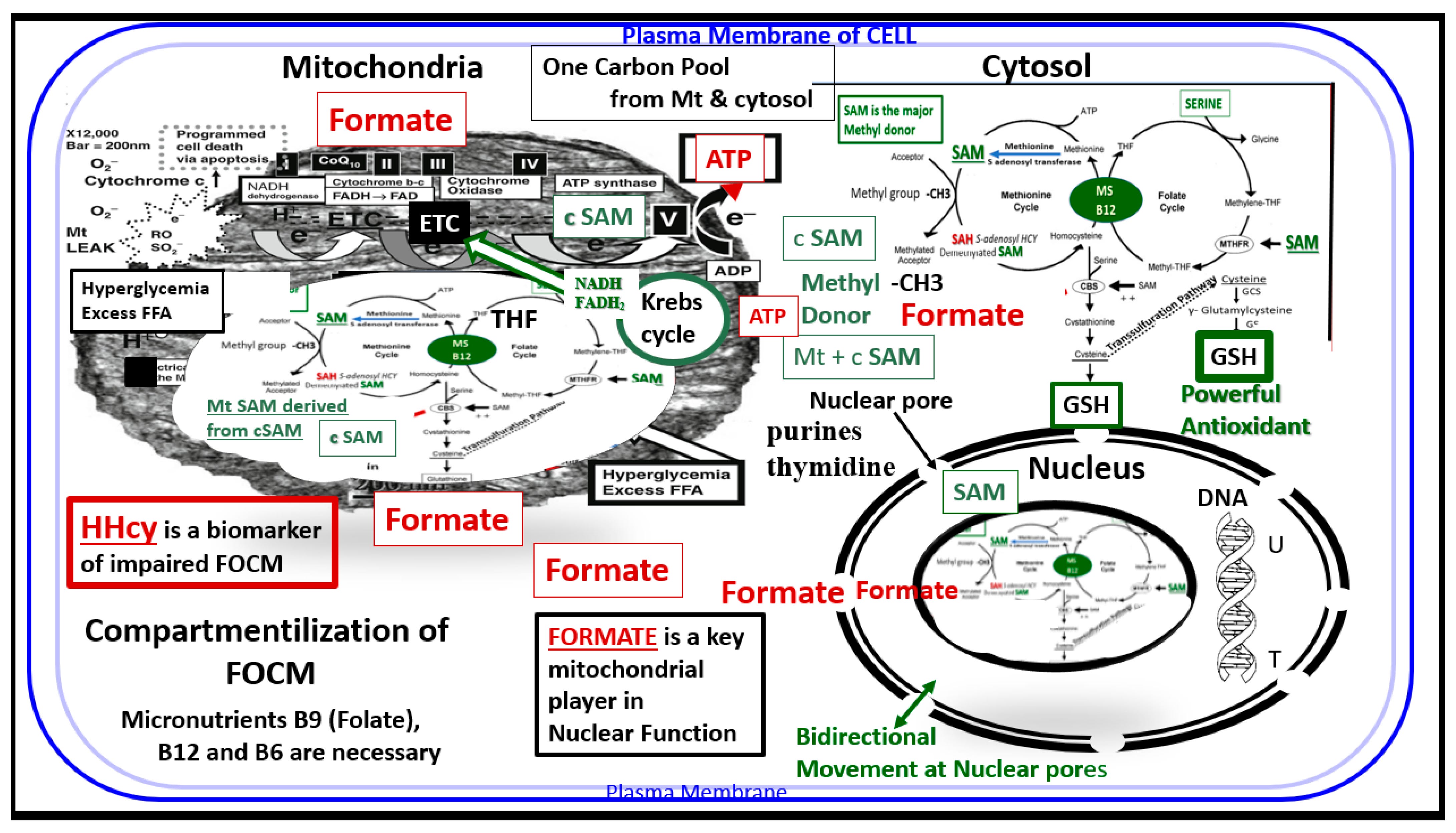
This one is excellent and has a video abstract/overview: (Hayden, Tyagi, 2022) Hayden, M.R., Tyagi, S.C., (2022). Impaired Folate-Mediated One-Carbon Metabolism in Type 2 Diabetes, Late-Onset Alzheimer’s Disease and Long COVID. Medicina. 58(1):16. https://doi.org/10.3390/medicina58010016 Available at https://www.mdpi.com/1648-9144/58/1/16 (Accessed: 4 Dec 2022) Figure 1: Folate-Mediated One-Carbon Metabolism (FOCM).

In it we learn that the one-carbon methylation cycles are used within cell’s cytoplasm, within the mitochondria, and within the cell’s nucleus – and if the nucleus version is impaired, then … methylation of DNA will be impaired – it will not occur. Epigenetic changes will be very likely if there is dysfunction in the one-carbon methylation cycle within the nucleus.

Nature loves a good design and will repeat it.

Figure 2. Compartmentalization of FOCM. Note the presence of the folate-methionine one carbon cycle metabolism in the cytoplasm (cytosol), mitochondria and nucleus. Additionally, note the importance of formate being transferred from the mitochondria to the nucleus, as well as S-adenosylmethionine (SAM) via nuclear pores. Importantly, deoxythymidine monophosphate (dTMP) synthesis occurs in the cytosol, nucleus and mitochondria, whereas purine synthesis and methionine synthesis take place within the cytosol. Mitochondrial FOCM generates formate for cytosolic and nuclear FOCM and biosynthetic precursors for mtDNA synthesis and mitochondrial protein translation. Thymidylate synthase (TYMS) converts deoxyuridine monophosphate (dUMP) to dTMP in a 5,10-methylene-THF-dependent reaction (not shown). It is important to note that mitochondrial SAM (Mt SAM) is derived from cytosolic SAM (cSAM). Additionally, the Krebs cycle also resides within the mitochondria and provides NADH and FADH2 to the electron transport chain for ATP production. ATP = adenosine triphosphate; c = cytosol; ETC = electron transport chain; FAD = flavin adenine dinucleotide; FADH = reduced flavin adenine dinucleotide; FFA = free fatty acids; HHcy = hyperhomocysteinemia; MS = methionine synthase; Mt = mitochondria; NADH = reduced nicotinamide adenine dinucleotide; T = thymidylate-thymine; U = uracil.” (Hayden, Tyagi, 2022)

I had a reply recently saying nobody understands this (roughly) and my response would be: We learn by studying things that we don’t understand and looking up whatever words we need to look up in order to better understand it.

Here, in this complex graphic (above) – even a First Grader might guess that “Formate” is important. It appears that the nucleus version of the one-carbon cycles will not occur without formate to get it started. SAM is also important – the one-carbon cycle taking place in the cell’s cytoplasm creates the methyl donor cSAM which is converted into mitochondrial mSAM. The nucleus needs the (I don’t know what it is either) “Formate” and cSAM to enter through nuclear pores in order for the one-carbon cycle to be able to take place within the nucleus for DNA methylation needs. Meaning mitochondrial dysfunction of the one-carbon cycle leads to epigenetic changes and lack of DNA methylation in the nucleus of the cell, and dysfunction of the one-carbon cycle in the cytoplasm might precede the mitochondrial dysfunction as the cSAM is needed by the mitochondria and the nucleus. (Hayden, Tyagi, 2022) *They recommend that physicians screen homocysteine levels more often – it is not standardly measured with basic labs.

Formate, heat stress and SMYD3.

Internet answers: Formate is a result of the breakdown of Carbon dioxide, CO2,— and various engineering research approaches have been used to try to reduce CO2 from the air by promoting formate production (in microbes or chemical reactions) – but that is tangentially related and simply was the immediate search results. More to the physiological point – if we want to be able to make formate, we need the gene SMYD3 to be functional and active as it promotes synthesis of formate.

Conclusions: Our study demonstrates that SMYD3 regulates the activity of the mitochondrial metabolic enzyme MTHFD1L through H3K4me3 histone methylation modification, promotes formate synthesis and induces mitophagy, which inhibits M1 polarization in macrophages.” (Zhu, et al., 2022)

SMYD3 is important in histone methylation, and growth of embryos and cancer tumors, in order to localize it to the nucleus, where we need it for the one carbon cycle and methylation of DNA, Heat Shock Protein 90 (HSP 90) is needed as a nuclear chaperone (~transport protein). “[12, 23, 31]” (Bernard, et al, 2021)

In summary, SMYD3 is critical for the activation of MAP3K2, a key kinase in the Ras-activated MAP signaling pathway, in both lung and pancreatic cancers. Furthermore, SMYD3 is associated with advanced stage and poor survival in NSCLC, and promotes cell proliferation, invasion, and chemotherapy resistance phenotypes.” (Bernard, et al, 2021)

… ‘miR-3613-3p/MAP3K2/p38/caspase-3 pathway regulates the heat-stress-induced apoptosis of endothelial cells’ (Liu, Liu, Chen, 2021)

The results revealed that miR-3613-3p expression was reduced in human umbilical vein endothelial cells (HUVECs) following [heat stress] HS, which led to apoptosis. Mechanistically, following HS, a decrease in miR-3613-3p binding to the 3′-untranslated region of MAP3K2 directly upregulated its expression, and the downstream p38 and caspase-3 pathways, thereby leading to apoptosis. Taken together, the results of the present study demonstrated that HS suppressed miR-3613-3p expression, which activated the MAP3K2/p38/caspase-3 pathway, leading to the apoptosis of HUVECs.” (Liu, Liu, Chen, 2021)

Our goal – to not get overheated – avoid heat stress.

Not the same miRNA exactly, but from an interesting paper. “Chen et al. identified two miRNAs (hsa-miR-1307-3p and hsa-miR-3613-5p) that could prevent viral replication by targeting the 3′-UTRs of replication-related SARS-CoV-2 RNA 67.” (Yang, et al., 2022)

Pomegranate and heat stress – nature designed the plant to tolerate heat.

Pomegranate is a sustainable crop because it can tolerate heat, and salty soil and doesn’t need much water. The MAPK pathway is inhibited by pomegranate peel extract, and also by the 9 polyphenols discussed in the post: 1. “microRNA are the real regulators of gene transcription.Substack. I am not sure if the MAP3K2 is similarly inhibited but it seems likely.

Postural Orthostatic Tachycardia Syndrome can have an epigenetic cause.

Why is this important? Postural Orthostatic Tachycardia Syndrome is no fun and kind of scary. If you stand up too fast, your blood pressure can no longer shift quickly enough, however that works, and you get dizzy and need to grab something and rest a minute to get the accompanying tachycardia (very rapid heart rate, like it is trying to leap out of your chest almost). Laying down and lifting the knees and feet up helps slow the heart rate. Sitting or at least pausing is necessary or fainting may occur. I did faint once or twice and that is an odd feeling to find yourself on the floor after you come around. See: POTS – Postural Orthostatic Tachycardia Syndrome, can be epigenetic & therefore may be reversible. (substack.com) *Includes the Dystonia section of my Genes Table with more info and a link to my book chapter on the topic (but in computer lingo, the links don’t work).

Many chronic conditions involve epigenetic changes. Sometimes it can be reversed but not always and less likely the longer the condition has lasted. I had POTS-like symptoms for a few months twice and I figured out how to get better. It is not a fun condition and standard treatment usually does not help enough. People become physically disabled as it worsens. You can’t over-exert or stand up too fast or the symptoms of dizziness and racing heart occur.

When you have an open mind, you can learn new things.

Epigenetics – the basics.

Epigenetics – an overview/the opening of an Abstract about a review paper focused on cancer treatment and epigenetics:

Epigenetics refers to heritable changes that are not encoded in the DNA sequence itself, but play an important role in the control of gene expression.

In mammals, epigenetic mechanisms include changes in

  • DNA methylation,
  • histone modifications and
  • non-coding RNAs.
    • [microRNA are non-coding RNAs (19-23 nucleotides) and there are also longer ones (up to ~100, or a few >/= 200 nucleotides) that are still shorter than an mRNA which is used to transcribe a protein, so it is the full length of the matching DNA from the gene sequence, but only half of the zipper/ladder shape of the double helix.]

Although epigenetic changes are heritable in somatic cells, these modifications are also potentially reversible, which makes them attractive and promising avenues for tailoring cancer preventive and therapeutic strategies. Burgeoning evidence in the last decade has provided unprecedented clues that diet and environmental factors directly influence epigenetic mechanisms in humans. Dietary polyphenols from green tea, turmeric, soybeans, broccoli and others have shown to possess multiple cell-regulatory activities within cancer cells. More recently, we have begun to understand that some of the dietary polyphenols may exert their chemopreventive effects in part by modulating various components of the epigenetic machinery in humans.” (Link, Balaguer, Goel, 2010)

*Bullet points and note added by me. See: Non-coding RNAs: Classification, Biology and Functioning. (Hombach, Kretz, 2010)

Cancer is mitochondrial dysfunction related to cytoplasm dysfunction of the One-Carbon Methylation cycles.

As it turns out, nature really likes the one-carbon methylation cycle and mitochondria seem to be a control center of our cells rather than the nucleus. Cancer is dysfunction of mitochondria which leads to aberrant signaling to the cell nucleus which leads to cancerous like changes in their growth. Experiments have shown though, that when the nucleus of a cancer cell, with the gene changes in place, is transplanted into a healthy cell with healthy mitochondria and cytoplasm, the cell does not become cancerous. However, when a nucleus from a healthy cell is transplanted into a cancer cell that had its nucleus removed, the cell remains cancerous. When cancer cell mitochondria are transplanted into a healthy cell with a normal nucleus – it changes into a cancer cell with cancerous gene changes and out of control growth. The increased growth may be part of more normal pathways used during embryology and child growth. This indicates that cancer is NOT a GENETIC disease. The disease pathology was connected to the diseased cell’s mitochondria, not the diseased cell’s nucleus.

It turns out that mitochondria direct events within the cell and are the controller for signaling the need for apoptosis – put this cell to a merciful death, it is done. But with dysfunctional mitochondria there is no signal presented to kill the cell and it grows out of control or remains dysfunctional but alive – a senescent cell – alive and consuming, but no longer producing functional benefits for the organism or organ.

Cancer is a mitochondrial dysfunction. The one flaw in Dr Seyfried’s treatment plan though, is that such a high fat diet will still promote mitochondrial dysfunction. I would recommend a less stringent ketone diet, at least after some short-term initial phase that is moderate carb and >/= 50% of calories from fats. Use more ketones and some protein, but a diet above 60% fat may in itself cause mitochondrial dysfunction.

https://www.youtube-nocookie.com/embed/KusaU2taxow?rel=0&autoplay=0&showinfo=0&enablejsapi=0

His depressing but helpful message is that also, the chemotherapy, radiation and some of surgical approaches are likely just adding to mitochondrial dysfunction and making the cancer worse. Carbohydrates and glutamates need to be restricted – and that equals sugar, bread, potatoes, pasta, pizza, tomato products, cheese, soy sauce, Worcestershire sauce, barbecue sauce or barbecue, artificial seasonings, ice cream, sweetened beverages, etc – much of the modern diet in other words.

Resources

/Housekeeping – I noticed an older comment suggesting that I provide checklists or more guidance for what to do, regarding my Table 5 – Nutrients depleted by psychiatric medications, which also are nutrients needed by mitochondria, and are risk factors for schizophrenia, Alzheimer’s dementia, or COVID19. I shortened the name of that Table to ‘Nutrients of Concern’.

See:

  • Downloadable Tools in my toolbox – by Jennifer Depew, R.D. (substack.com)
  • My first Substack post is still pertinent – Nrf2 & NF-kB – 2 proteins to know. (substack.com)

Disclaimer: Opinions are my own and the information is provided for educational purposes within the guidelines of fair use. While I am a Registered Dietitian this information is not intended to provide individual health guidance. Please see a health professional for individual health care purposes.

Reference List

(Bernard, et al, 2021) Bernard, B.J., Nigam, N., Burkitt, K. et al., (2021). SMYD3: a regulator of epigenetic and signaling pathways in cancer. Clin Epigenet 13(45) https://doi.org/10.1186/s13148-021-01021-9 Available at: https://clinicalepigeneticsjournal.biomedcentral.com/articles/10.1186/s13148-021-01021-9 (Accessed: 5 Dec 2022)

(Hayden, Tyagi, 2022) Hayden, M.R., Tyagi, S.C., (2022). Impaired Folate-Mediated One-Carbon Metabolism in Type 2 Diabetes, Late-Onset Alzheimer’s Disease and Long COVID. Medicina. 58(1):16. https://doi.org/10.3390/medicina58010016 Available at https://www.mdpi.com/1648-9144/58/1/16 (Accessed: 4 Dec 2022) Figure 1: Folate-Mediated One-Carbon Metabolism (FOCM), Figure 2. Compartmentalization of FOCM.

(Hombach, Kretz, 2010) Hombach S, Kretz M. (2016). Non-coding RNAs: Classification, Biology and Functioning. Adv Exp Med Biol. 937:3-17. doi: 10.1007/978-3-319-42059-2_1. PMID: 27573892. Available at: https://pubmed.ncbi.nlm.nih.gov/27573892/ (Accessed: 5 Dec 2022)

(Link, Balaguer, Goel, 2010) Link, A., Balaguer, F., Goel, A., (2010). Cancer Chemoprevention by Dietary Polyphenols: Promising Role for Epigenetics. Biochemical pharmacology. 80:1771-92. 10.1016/j.bcp.2010.06.036. Available at: https://www.researchgate.net/publication/45090894_Cancer_Chemoprevention_by_Dietary_Polyphenols_Promising_Role_for_Epigenetics/citation/download(Accessed: 5 Dec 2022)

(Liu, Liu, Chen, 2021) Liu J, Xu S, Liu S, Chen B. (2021). miR‑3613‑3p/MAP3K2/p38/caspase‑3 pathway regulates the heat‑stress‑induced apoptosis of endothelial cells. Mol Med Rep. Sep;24(3):633. doi: 10.3892/mmr.2021.12272. Epub 2021 Jul 19. PMID: 34278472; PMCID: PMC8280962. Available at: https://www.ncbi.nlm.nih.gov/pmc/articles/PMC8280962/ (Accessed: 5 Dec 2022)

(Yang, et al., 2022) Yang, C.Y., Chen, Y.H., Liu, P.J., Hu, W.C., Lu, K.C., Tsai, K.W., (2022). The emerging role of miRNAs in the pathogenesis of COVID-19: Protective effects of nutraceutical polyphenolic compounds against SARS-CoV-2 infection. Int J Med Sci. Jul 18;19(8):1340-1356. doi: 10.7150/ijms.76168. PMID: 35928726; PMCID: PMC9346380. Available at: https://www.ncbi.nlm.nih.gov/pmc/articles/PMC9346380/ (Accessed: 5 Dec 2022)

(Zhu, et al., 2022) Zhu, W., Wang, S., Xue, L., Liu, L., Yang, X., Liu, Z., et al., (2022). The SMYD3-MTHFD1L-formate metabolic regulatory axis mediates mitophagy to inhibit M1 polarization in macrophages, International Immunopharmacology, 113(Part A), 2022, 109352, ISSN 1567-5769, https://doi.org/10.1016/j.intimp.2022.109352. https://www.sciencedirect.com/science/article/pii/S1567576922008360